
Custom Tempered Glass Railings in Brooklyn and NYC
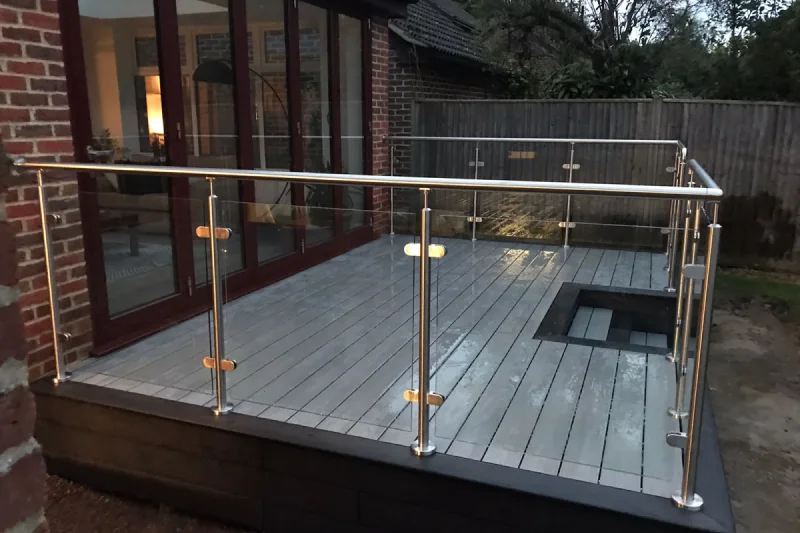
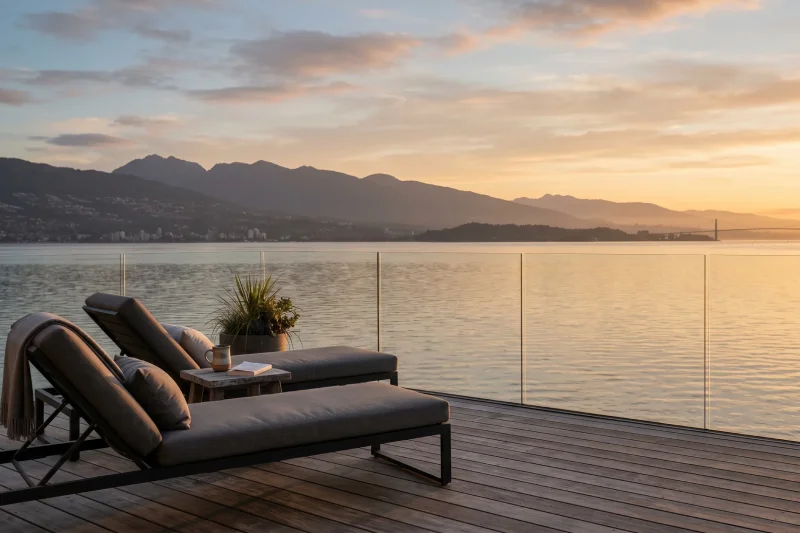
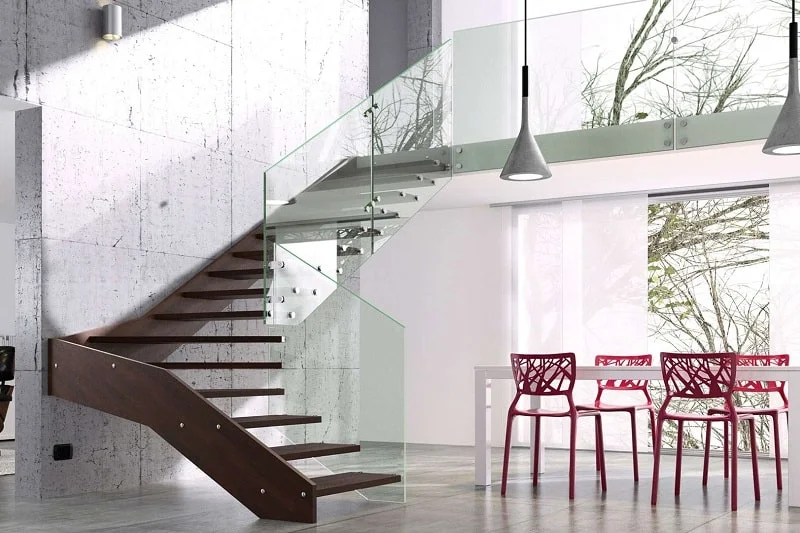
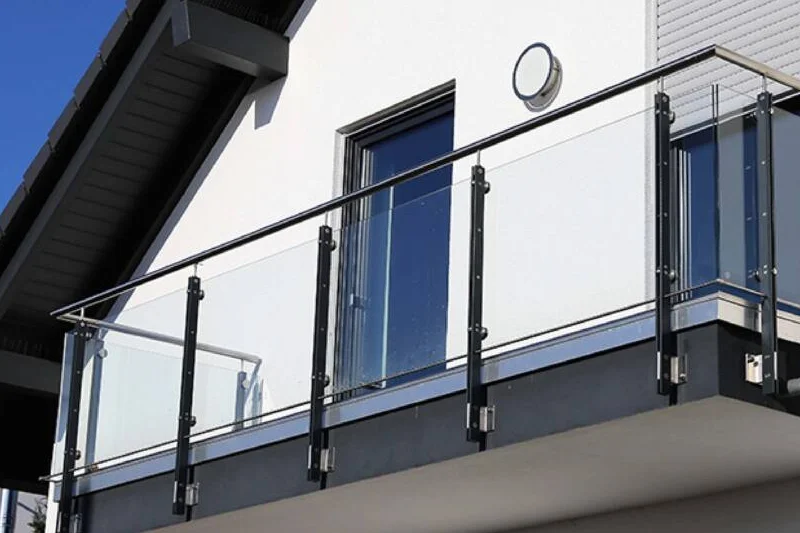
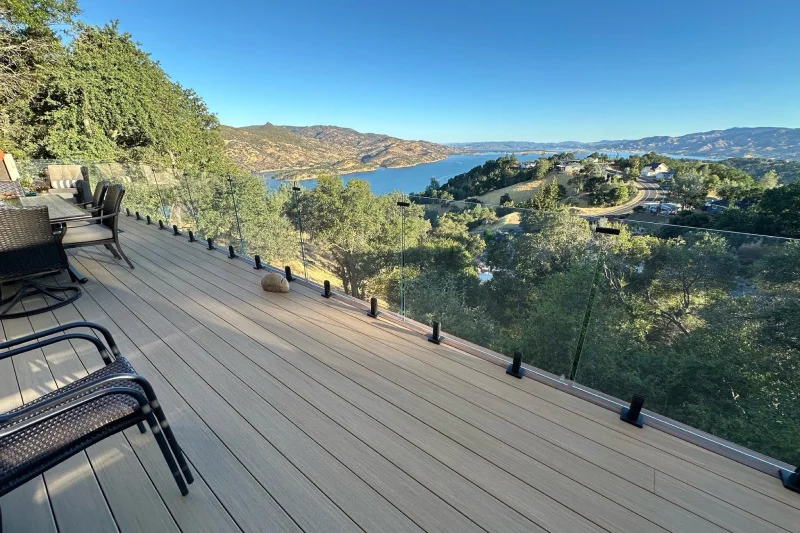
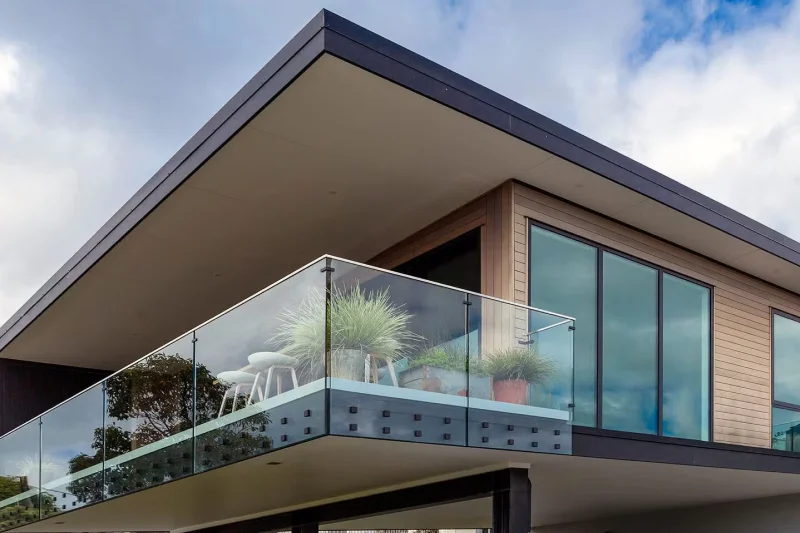
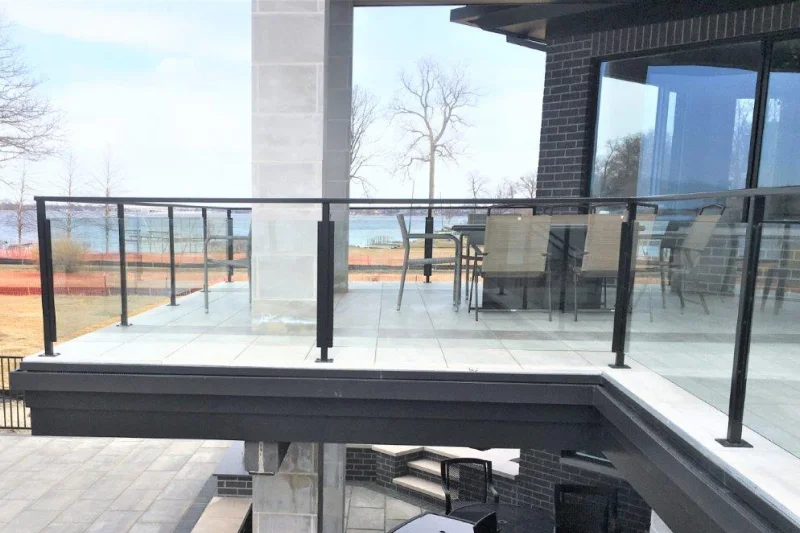
A tempered glass railing system uses heat-treated panels stronger than regular glass and designed to break safely if damaged. We fabricate custom glass in Brooklyn for residential and commercial projects across NYC.
Tempered Glass Railings That Protect Without Blocking the View
Regular railings with vertical balusters or horizontal cables create visual barriers between you and whatever’s on the other side. Glass railings eliminate that obstruction. You get the fall protection building codes require without fragmenting your view into slices between railing components.
Tempered glass specifically means the panels have been heat-treated to increase strength. The glass heats to around 1200°F, then gets rapidly cooled, creating internal stresses that make it roughly four times stronger than standard glass. This strength matters for railings where the glass needs to handle people leaning on it, wind loads, and occasional impacts without failing.
The transparency keeps sight lines open to views, gardens, lower floors — whatever you’re trying to see past the railing. The glass does its job protecting edges without announcing itself visually, the way metal or wood railings do.
Where Tempered Glass Railing Works Best
Tempered glass railing systems fit various applications where transparency adds value.
Tempered Glass Stair Railings
Glass stair railings make interior staircases feel less cramped than solid walls or conventional railing systems do. You avoid that boxed-in sensation that staircases often create. Upper-floor daylight gets down to lower levels without barriers stopping it.
Tempered Glass Balcony Railings
The view from your balcony probably influenced which unit you chose — whether that’s water, city skyline, or park access. Standard metal railings block chunks of what you’re paying to see. Glass balcony railings keep those sight lines open while still meeting code.
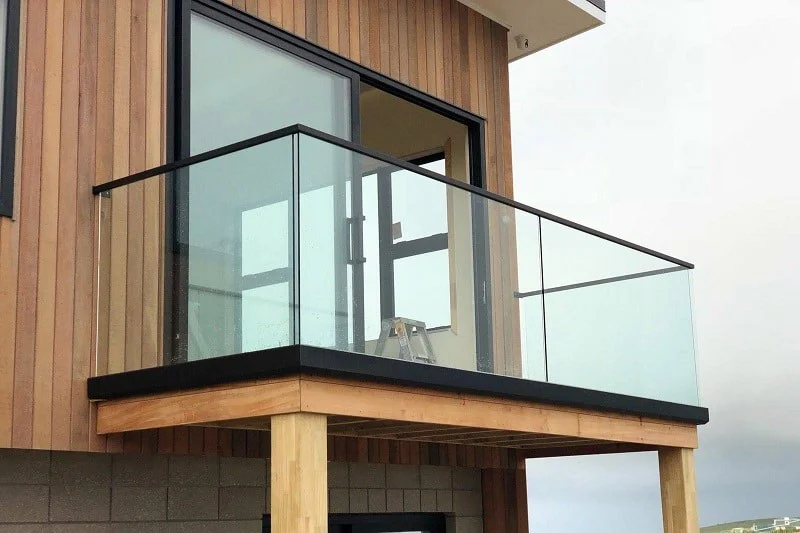
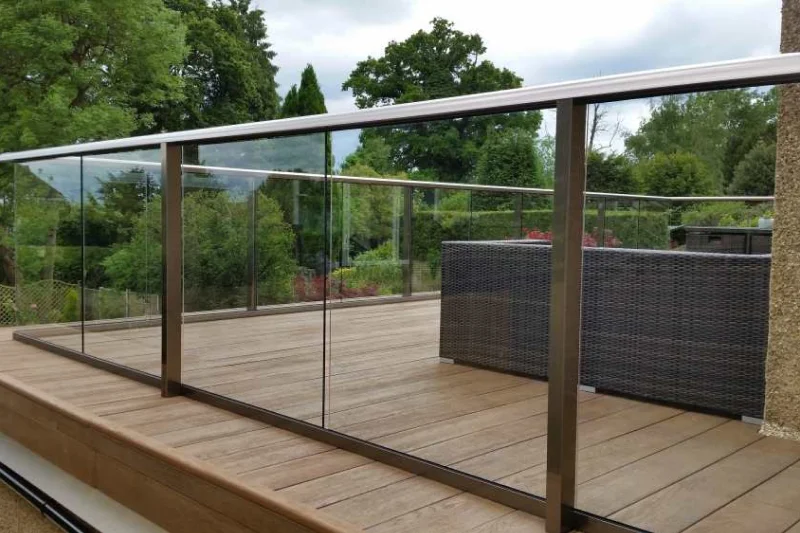
Glass Deck Railings and Rooftop Guards
Glass deck railings let you see your yard, garden, or surrounding landscape without obstruction. Rooftops stay connected to skyline views instead of getting blocked by solid barriers. Outdoor tempered glass railing needs to handle weather exposure and wind loads, but the transparency advantage often justifies choosing glass over simpler metal systems.
Commercial and Multifamily Railing Projects
Commercial buildings install glass systems in atriums, on mezzanine edges, around stair openings. Hotels put them on guest balconies and shared terraces. Retail environments use them between floors to keep shoppers visually connected to other levels.
Why Choose Tempered Glass for Railings?
Beyond transparency, tempered glass railing panels offer specific performance advantages.
Stronger Than Standard Annealed Glass
Tempering creates surface compression that makes glass roughly four times stronger than standard untreated material. The added strength lets panels withstand higher loads and greater impacts before breaking. Matters when you’ve got people leaning hard on railings, kids pushing against them, or the occasional furniture bump — the added strength handles that stress.
Safer Break Pattern
Standard glass breaks into large, sharp shards — dangerous fragments that can cause serious injuries. Tempered glass shatters into small pebble-like pieces with rounded edges. Still not pleasant to deal with, but far less likely to cause severe cuts. Building codes recognize this safety advantage. Most jurisdictions require tempered glass for railing applications specifically because of how it breaks.
Clean Look for Modern Architecture
Glass railings fit contemporary design better than traditional wood or ornamental metal railings. The transparency and minimal visual weight suit modern architecture, where clean lines and open sight lines are priorities.
Good Resistance to Daily Impact and Weather Stress
Tempered glass panels for railings handle normal use well. People leaning on them, furniture occasionally bumping them, daily traffic past them — the tempered strength resists this wear without damage. Exterior installations face temperature swings, moisture, and UV exposure. Tempered glass handles these environmental stresses while maintaining clarity over the years.
Tempered Glass vs Laminated Tempered Glass for Railings
Standard tempered glass works for many railing applications. Laminated tempered glass adds another safety layer by bonding two tempered panels with a tough interlayer.
The key difference shows up when the glass breaks. Standard tempered shatters into pebbles — safer than regular glass, but the railing panel disappears completely. You’ve got an opening where protection used to be.
Laminated tempered glass cracks without falling apart — the interlayer keeps broken pieces together. The panel still works as protection even if damaged, buying you time to get replacement glass.
Many jurisdictions now require laminated construction for railing applications specifically because of this hold-together characteristic. Check local codes before specifying which type you need.
Framed, Post-Supported, or Frameless Tempered Glass Railing?
Tempered glass railing systems come in different mounting configurations, each with distinct appearances and structural characteristics.
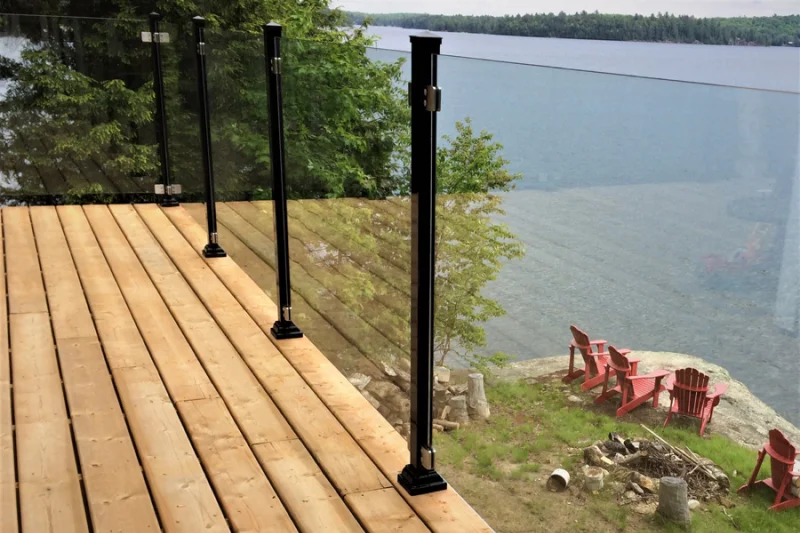
Post-Supported Glass Railings
Vertical posts spaced along the run carry the glass panels between them. Posts bear the structural weight while glass acts as the infill barrier. You can use thinner panels here since posts do the heavy lifting. Makes sense for extended stretches where heavy frameless glass would blow the budget.
Framed Glass Railing Systems
Aluminum or steel frames surround glass panels, providing structure and making installation straightforward. The frames handle loads, so the glass just needs to be thick enough to resist impact-induced breakage. Framed systems typically cost less than frameless. They also seal better in some applications since the frame provides positive weatherproofing.
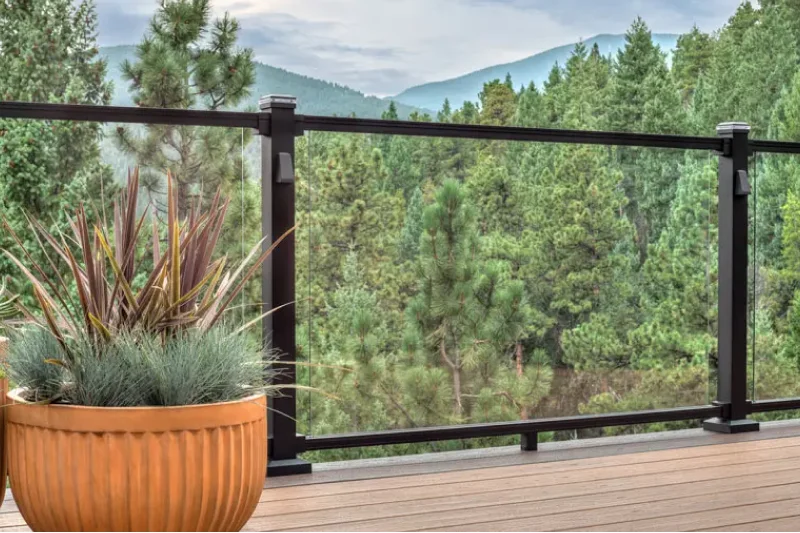
Frameless Glass Railing Systems
Glass panels mount with minimal hardware — usually base channels or discrete standoffs. No posts between panels, no frames around perimeters. Creates the cleanest look where the glass seems to float in place. Frameless systems need thicker glass since there’s no supplemental structure. The glass itself provides the strength, requiring panels typically 1/2 inch to 3/4 inch thic
Do you want something special?
Contact us if you want to add more light to your home or business and are trying to find the most trustworthy glass manufacturers in your area
Get a free consultation
Which System Looks Best and Which One Makes Sense Structurally?
Frameless systems give you the cleanest look but run the highest cost and need thick glass. Post-supported setups split the difference on price while keeping decent transparency. Framed options cost the least, but the frames show — they’re part of the design, whether you want them visible or not.
Structural requirements sometimes dictate the choice. Very long spans might need posts for adequate support. Budget constraints often make framed systems the practical choice even when aesthetics would favor frameless.
Glass Thickness for Tempered Glass Railing Panels
Tempered glass railing panel thickness depends on the mounting system, panel size, and whether installation is interior or exterior.
Post-supported systems often use 3/8-inch glass because posts provide structural support. Framed systems work with 1/4-inch to 3/8-inch — the frame handles loads.
Frameless systems need thicker glass to provide their own structural support. Typical range is 1/2 inch to 3/4 inch, depending on panel height and span.
Exterior installations subject to wind loads generally require thicker glass than protected interior locations. Engineering calculations determine the appropriate thickness based on your requirements.
High-quality production of glass partitions since 2022
Since 1992, the owners of Industrial Glass Laminating LLC have been dedicated to being one of the best glass partition suppliers in NYC. With more than 30 years of expertise, their continuous commitment to quality has earned a respected reputation in the business. From 2022, we take pleasure in implementing their unique ideas, excellent workmanship, and customer-centric attitude, which ensures that every project reaches the highest levels of quality. Our reputation for dependability and quality service grows as we constantly offer exceptional solutions to commercial and residential clients, so you can easily buy glass partitions from us.
Custom Tempered Glass Panels Made to Fit the Project
We fabricate custom tempered glass for glass rail applications to your exact specifications rather than selling standard sizes.r specific dimensions for accurate pricing.
Straight Runs, Corners, Slopes, and Stair Angles
Straight sections cut easily enough. Corner installations need panels angled to meet properly. Stair railings require both top and bottom edges cut to match the pitch as the railing follows each step. .
We cut glass to whatever dimensions and angles your railing configuration requires.
Holes, Cutouts, Polished Edges, and Hardware Prep
Mounting hardware often requires holes drilled through the glass at precise locations. Some systems need cutouts or notches for posts. All edges get polished for safety and appearance.
This preparation happens before tempering since you can’t drill or cut tempered glass after heat treatment.
Clear, Low-Iron, Frosted, Tinted, or Patterned Glass
Regular clear glass works fine for most applications. Low-iron removes that faint green cast you see in standard glass — you’ll pay more, but colors stay accurate through the panel.
Frosted or patterned glass provides privacy while maintaining light transmission. Tinted glass reduces glare in exterior applications where sun creates viewing discomfort.
Tempered Glass Railing Cost: What Affects the Price?
Tempered glass railing cost varies with material specs and installation approach.
Thickness affects pricing per square foot — thicker glass costs more, simple as that. Panel dimensions matter beyond raw material volume. Larger pieces require specialized equipment for safe handling during fabrication, driving up labor costs.
Low-iron glass costs noticeably more than standard clear because of the extra processing to remove iron content. Most projects save it for spots where clarity really matters rather than using it throughout.
Mounting approach affects your total substantially. Frameless needs thick glass to handle loads without frame support, plus you’re buying precision hardware. Framed setups work with thinner panels and standard aluminum framing — both bring costs down.
Customization adds fabrication time. Rectangular cuts process quickly. Angled corners, drilled standoff holes, or notches for posts increase machine time and QC requirements.
Installation complexity varies by site. Straight runs install efficiently at X per linear foot. Curves, stair slopes, or access-constrained locations (upper floors, narrow stairwells) can double labor costs.
Safety, Building Codes, and Project Planning
Codes set minimums for how high railings need to be, how thick the glass should run, and what loads it must handle. These specs change based on where you’re building and whether it’s residential or commercial work.
Most codes require tempered glass for railing applications because of the safer break pattern. Many now require laminated construction for additional safety. Check local codes early in planning to ensure your design meets requirements.
Indoor vs Outdoor Tempered Glass Railings
Both tempered glass indoor railings and exterior installations use similar glass, but outdoor applications face additional demands.
Outdoor tempered glass railing needs to handle temperature cycling, moisture exposure, UV radiation, and wind loads. Mounting hardware typically needs corrosion-resistant materials — stainless steel rather than aluminum.
Tempered glass interior railing faces gentler conditions. Temperature stays relatively stable, no weather exposure, minimal UV. Glass and hardware specifications can sometimes be lighter since environmental stresses are reduced.
Safety requirements apply equally regardless of location. Both interior or exterior railings need adequate strength and proper safety glass.
How We Fabricate Tempered Glass Railing Panels in Brooklyn
Industrial Glass Laminating LLC cuts and fabricates tempered glass panels for railings in our Brooklyn facility. We’re actually making your glass to specification, not reselling imported panels.
The process starts with understanding your railing configuration and code requirements. Glass gets cut to exact dimensions, edges get polished, any holes or cutouts get precisely located and drilled.
After fabrication, glass goes through our tempering process — heating to approximately 1200°F, then rapid cooling to create the internal stresses that provide tempered strength. The glass can’t be altered after tempering, so all cutting, drilling, and edge work happens first.
As a tempered glass rail factory, we control quality throughout fabrication. Each panel gets inspected to verify dimensions, edge finish, and hole locations before tempering and again after.
FAQ
Is tempered glass good for railings?
Yes, it’s the standard material for glass railing panels. Stronger than regular glass and shatters into small rounded pieces rather than sharp fragments if broken.
What is the difference between tempered glass and laminated tempered glass?
Tempered shatters into pebbles when broken — safer than regular glass but the panel disappears. Laminated tempered bonds two panels with an interlayer that holds fragments together, so the railing stays functional even broken.
How thick should tempered glass railing panels be?
Depends on the mounting system. Post-supported or framed systems often use 3/8 inch. Frameless systems typically need 1/2 to 3/4 inch. Engineering calcs and codes determine the minimum thickness.
Are tempered glass railings safe for stairs?
Yes, when properly designed and installed. The tempered strength handles stair traffic and the safer break pattern reduces injury risk if damage occurs. Codes specifically require at least tempered glass for stair applications.
Do tempered glass railings need a handrail?
Depends on local code. Some jurisdictions require grippable handrails regardless of railing type. Others allow the top edge of glass panels to serve as the handrail if properly finished.
Request a Custom Tempered Glass Railing Quote in NYC
Planning a project needing tempered glass railings in New York? Contact us with your railing dimensions, preferred mounting system, and location (interior or exterior).
We’ll discuss the appropriate glass thickness for your application, recommend specifications per code requirements, and provide detailed pricing for your specific configuration. Tempered glass for railing price depends on thickness, size, mounting system, and customization. Get quotes with your actual dimensions and requirements for accurate numbers.