
Custom Laminated Glass Floor Panels in New York
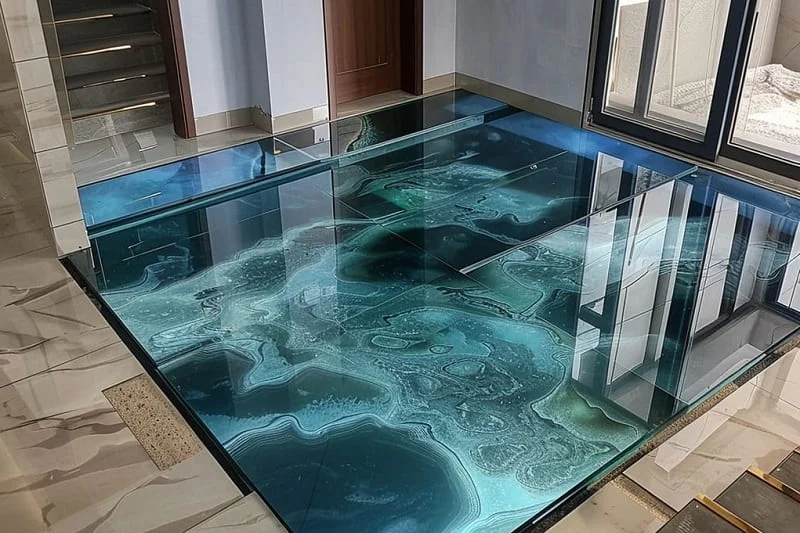
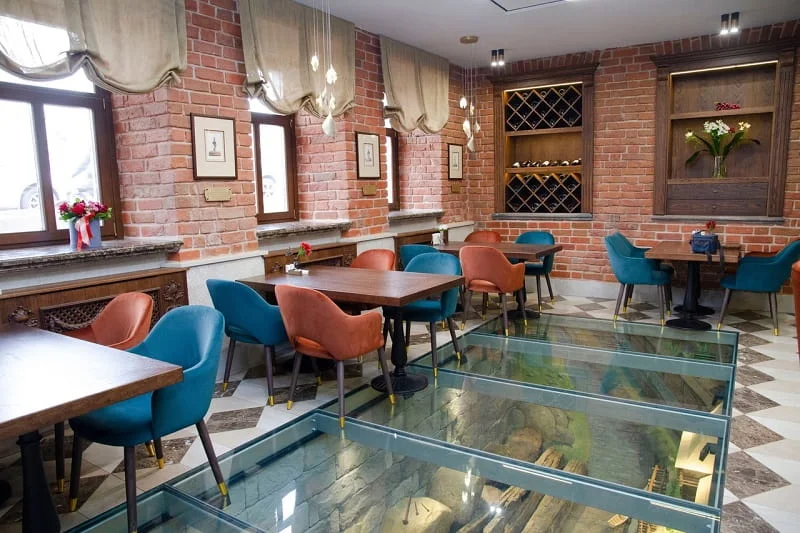
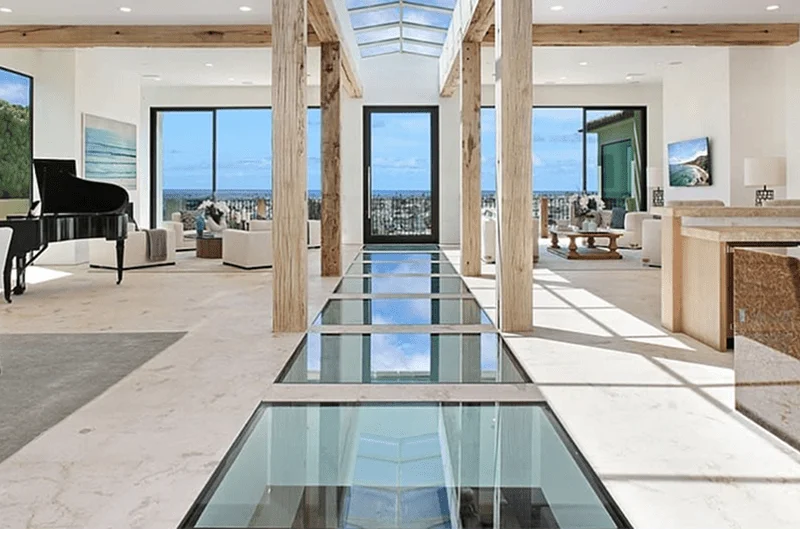
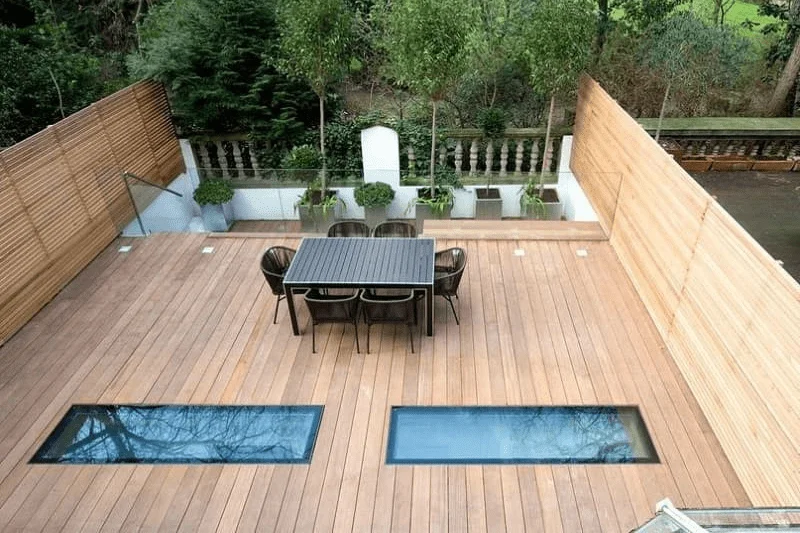
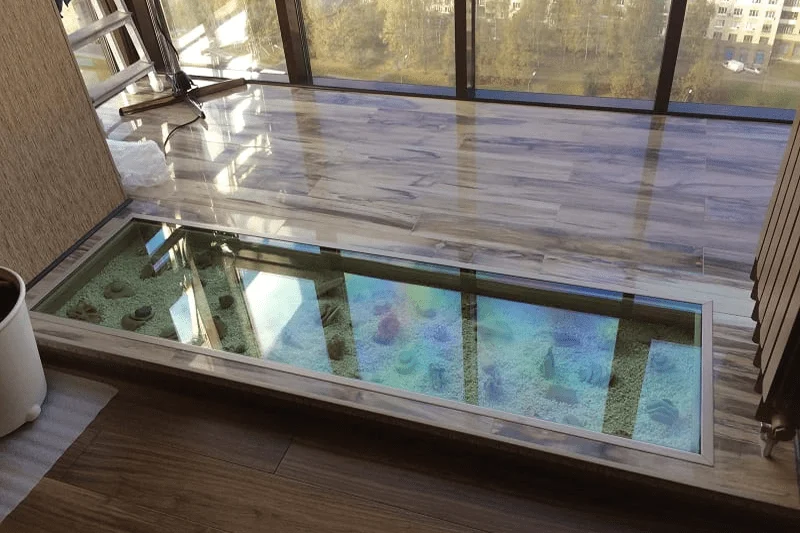
Want a floor you can see through? Laminated glass floor panels do exactly that while handling the structural demands of people walking overhead. We manufacture glass strong enough for foot traffic in New York residential and commercial projects.
What Laminated Glass Floor Panels Are and How They Work
Picture walking across a transparent floor and looking down at the level below. That’s what these installations make possible. But here’s the catch – you need serious engineering to make it safe.
These panels stack multiple glass layers with plastic interlayers running between them. Not just two pieces of glass glued together, but a properly laminated assembly where heat and pressure in an autoclave fuse everything permanently. The layers end up working as one structural unit instead of separate pieces that could shift or separate.
How Laminated Structural Glass Is Made
The manufacturing starts simple enough – clean glass sheets, lay them out with interlayer material positioned between each one. Then it gets technical. The whole stack goes into an autoclave, where controlled heat and pressure bond everything together permanently.
What you end up with is a panel that redistributes stress across all those layers. One layer cracks? The interlayers and other glass layers keep things stable. That redundancy matters when you’re literally standing on the glass.
Why Laminated Glass Is Used for Walkable Floors
Try standing on regular single-pane glass, even thick stuff. Sketchy feeling, right? Laminated glass floor panels remove that anxiety through multiple safety margins. The top layer gets scratched up from shoes and dirt? No problem, the panel keeps functioning. Something heavy impacts it hard enough to actually crack the glass? The lamination holds it all together instead of creating a hole in your floor. Building codes basically require this approach. You won’t find jurisdictions allowing non-laminated glass for floor applications, and for good reason – the safety risks are too obvious.
Types of Laminated Glass Floor Panels
Manufacturing can go in different directions depending on what you’re trying to accomplish.
Clear Structural Glass Floor Panels
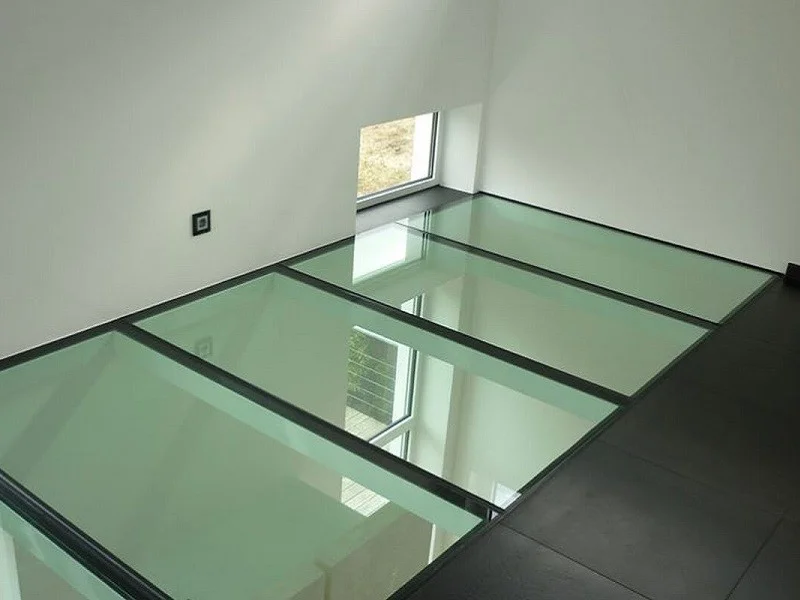
Totally transparent panels show off whatever’s underneath. Maybe that’s a wine collection in your cellar, interesting architecture on a lower level, or just empty space that looks cooler when visible from above. Clear glass keeps that visual connection while handling structural loads. Some people go for low-iron ultra-clear glass to eliminate that greenish tint standard glass has. Costs more, but if color accuracy matters to you, it’s worth considering.
Frosted and Slip-Resistant Glass Panels
Complete transparency isn’t always what you want. Frosted panels still let light through but obscure the view – useful when you don’t want people staring down at what’s below. Plus, the surface texture helps with traction, which matters more than you’d think on glass floors. Acid-etching or sandblasting creates that frosted finish. It breaks up reflections too, so the floor doesn’t look like a mirror under certain lighting.
Textured Laminated Glass Flooring Panels
Texture takes things further than basic frosting. Patterns, raised elements, custom surface treatments – all of it improves grip while adding visual interest. Walkable laminated glass with texture feels safer underfoot than smooth polished glass, especially anywhere moisture might be an issue. Some textures are decorative, others are purely functional.
Triple-Layer Structural Glass Panels
Standard laminated construction uses two glass layers. Heavy-duty applications sometimes need three layers or more for extra strength. Panels with triple-layer construction cost noticeably more, but the load capacity and redundancy increase proportionally.
Commercial spaces with heavy foot traffic often spec triple-layer. Residential projects can usually get by with two layers unless you’ve got particularly demanding requirements.
Where Laminated Glass Floor Panels Are Used Most Often
You see these installations in situations where that transparency or light transmission solves a specific problem.
Interior Glass Floors in Residential Homes
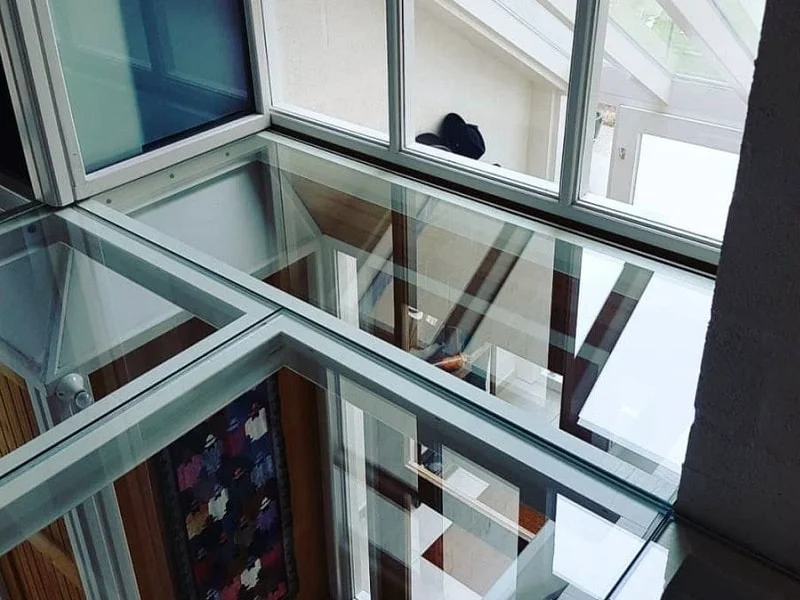
Townhouses with multiple levels use laminated glass flooring to pull natural light from skylights down through the building – a transparent floor section in a hallway or landing illuminates stairs or rooms that would otherwise stay dark all day.
Glass floors over wine cellars make for dramatic design moments – you’re protecting the collection while showing it off to anyone on the main floor. Works surprisingly well!
Commercial Glass Flooring in Retail and Offices
Retail uses transparent floors to display products on lower levels or maintain visual connections between shopping floors. Office buildings use them to bring daylight deeper into the floor plate, cutting lighting costs while making spaces feel less artificial.
Museums sometimes install glass floors for viewing artifacts from above or creating unusual perspectives on exhibits. The glass needs to handle public traffic while protecting whatever’s underneath.
Glass Floor Panels for Stairs, Bridges, and Walkways
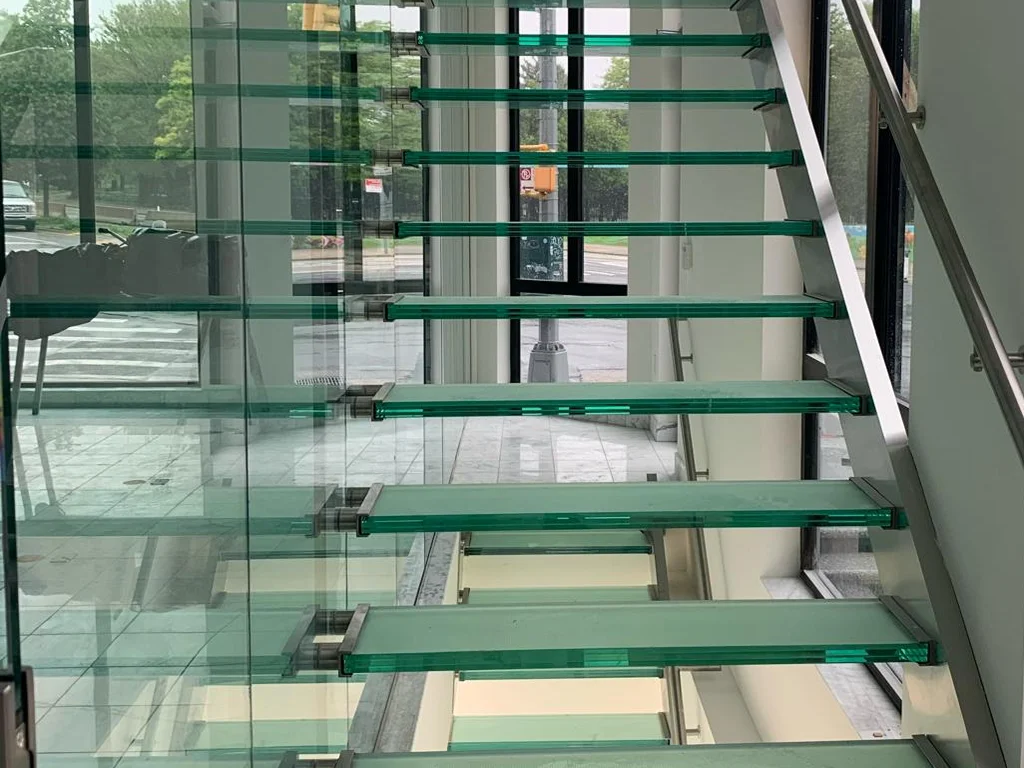
Glass stair treads create that floating staircase effect where steps hover without visible support underneath. Walkable laminated glass bridges connect building sections with transparent walkways that feel dramatic without being scary. Elevated retail walkways let shoppers see activity below while moving between areas.
These applications need solid engineering since the glass functions as the primary structural element, not just decorative surfacing over conventional framing.
Key Benefits of Laminated Glass Floor Panels
Laminated glass floor panels do more than just look interesting.
Structural Strength and Load Capacity
Properly engineered panels handle real weight. Residential specs are usually designed for 100 pounds per square foot minimum, often higher. Commercial applications might require 150-200 pounds per square foot, depending on expected use patterns. The multi-layer construction spreads loads across all those glass sheets. Even if one layer develops damage, the floor maintains its load capacity through the remaining intact layers.
Safety Through Multi-Layer Laminated Glass
Drop something heavy on the floor, impact it severely – the construction prevents the catastrophic failure you’d get with single-pane glass. The panel might crack, sure. But it doesn’t shatter into an opening someone falls through. That’s exactly why building codes mandate laminated construction for anything people walk on. The hold-together property protects occupants even in worst-case scenarios.
Natural Light Between Floors
Laminated glass floor panels let natural light reach lower levels that solid floors block completely. Reduces daytime artificial lighting needs while creating brighter spaces that feel less basement-like. The visual connection between floors helps too – multilevel spaces feel more open and connected instead of isolated by opaque barriers overhead.
Customization Options for Glass Floor Panels
Laminated glass flooring gets customized based on your specific needs. Glass thickness depends on engineering – how far the panel spans, what loads it carries. You can go thicker than minimum calculations require if you want extra durability or a more substantial feel underfoot.
Surface treatments range from perfectly polished clear glass to heavily textured finishes. Interlayers can be clear, frosted, tinted, or incorporate custom patterns. Edge finishing affects appearance and safety – polished edges look refined, beveled edges create decorative details.
We manufacture standard rectangular panels, custom shapes, panels with cutouts for posts or fixtures – whatever your installation requires.
Laminated vs Tempered Glass for Walkable Floors
This comparison doesn’t really apply to floor applications. Codes effectively require laminated construction because of how it behaves when damaged.
Tempered glass breaks into small pebbles instead of sharp shards – definitely safer than regular glass. But here’s the problem with floors: you can’t have the glass breaking into anything at all. People are standing on it. Tempered glass shattering into pebbles creates a hole in your floor, safe pebbles or not.
Laminated glass floor construction keeps damaged glass in place as a functional walking surface until replacement. That’s why codes mandate lamination for this application.
Do you want something special?
Contact us if you want to add more light to your home or business and are trying to find the most trustworthy glass manufacturers in your area
Get a free consultation
How Much Do Laminated Glass Floor Panels Cost?
These floors cost serious money because of the engineering and materials involved. Panel size drives pricing substantially – bigger panels need thicker glass and more sophisticated edge support systems.
Glass thickness and layer count affect cost. Triple-layer runs more than a two-layer construction. Low-iron ultra-clear glass costs noticeably more than standard glass with its greenish tint.
Surface treatments add expense. Texturing or slip-resistant finishes require extra processing steps. Custom interlayer designs or colors add to the manufacturing process, extending the time needed.
Also, consider the cost of structural engineering. Laminated glass flooring needs proper calculations to ensure code compliance and actual safety, not just something that looks right.
We’ll need your specific requirements – dimensions, load expectations, glass specifications, installation details – to provide accurate pricing.
Custom Laminated Glass Fabrication for Structural Floors
Industrial Glass Laminating LLC manufactures laminated glass floor panels actually engineered for structural use. We’re not just crafting pretty glass to walk on; we’re producing panels engineered to bear weight and comply with building regulations.
Manufacturing covers everything from initial glass cutting through final lamination and edge finishing. Every panel gets inspected against engineering specs and our quality standards before shipping.
We can coordinate with structural engineers, architects, and contractors to make sure the glass integrates correctly with your overall floor assembly. The panels are just one component – proper framing and edge support matter equally for safe installations that pass inspection.
Why Architects and Builders Work With Industrial Glass Laminating LLC
Precision Glass Fabrication in New York
Our facility manufactures laminated glass for the flooring to exact specifications. Structural glass demands precision you don’t need for decorative applications – dimensions accurate, edge finishing consistent, lamination flawless throughout.
Reliable Glass Supply Across New York
We supply throughout the New York area with lead times that work for construction schedules. Local manufacturing means we can respond to project needs faster than distant suppliers. Specification changes or rush situations get handled more easily.
Custom Solutions for Residential and Commercial Interiors
Residential and commercial projects both get appropriate attention. One custom panel for a townhouse or multiple floor sections in a commercial space – we handle the range.
High-quality production of modern glass floor since 1992
The founders of the glass floor manufacturer Industrial Glass Laminating LLC have spent more than 30 years establishing an outstanding reputation and unmatched skill, driven by a dedication to unique design and exceptional workmanship. Our staff is happy to carry on this tradition by providing our clients with the best glass products!
Our Latest Projects
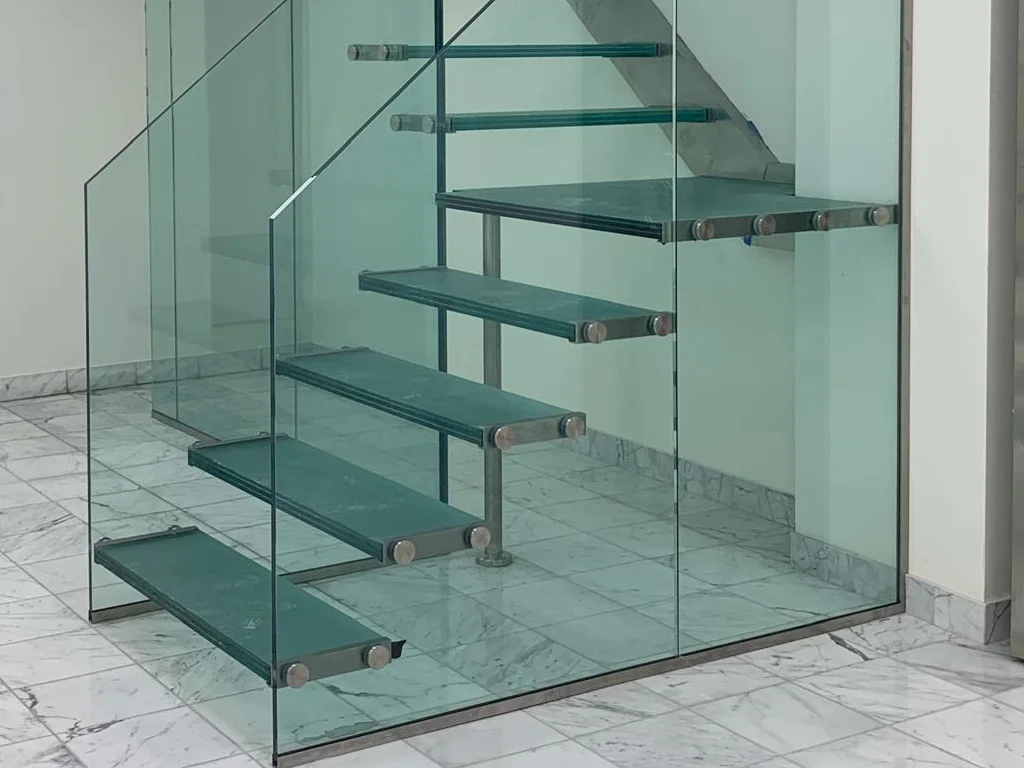
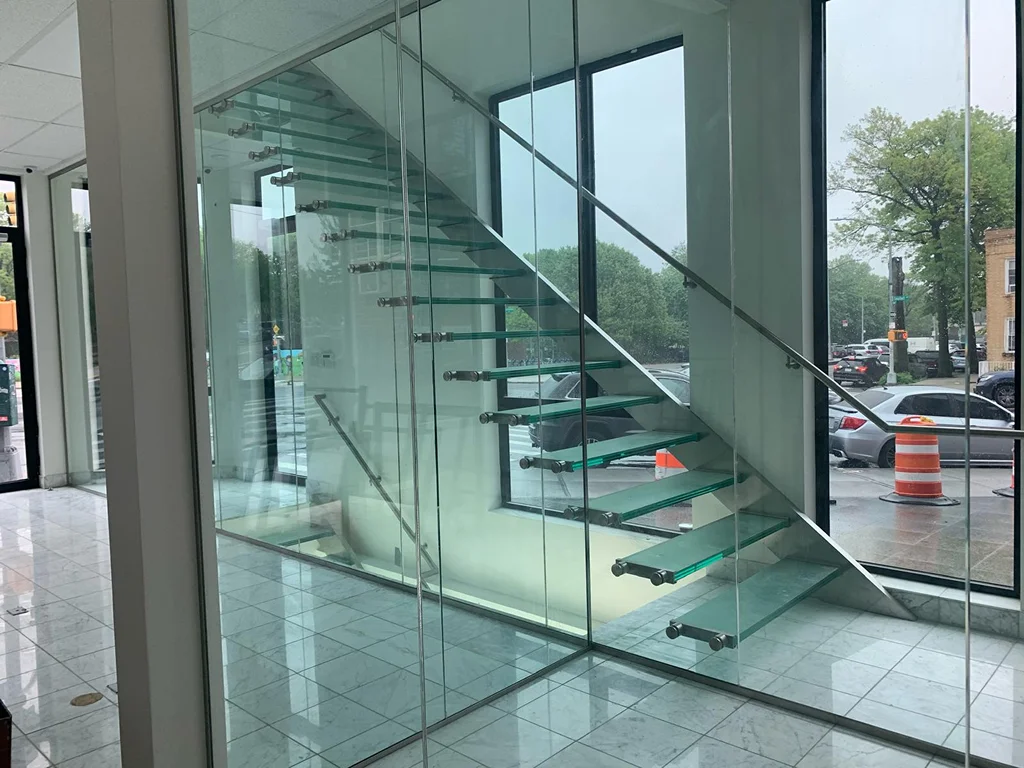
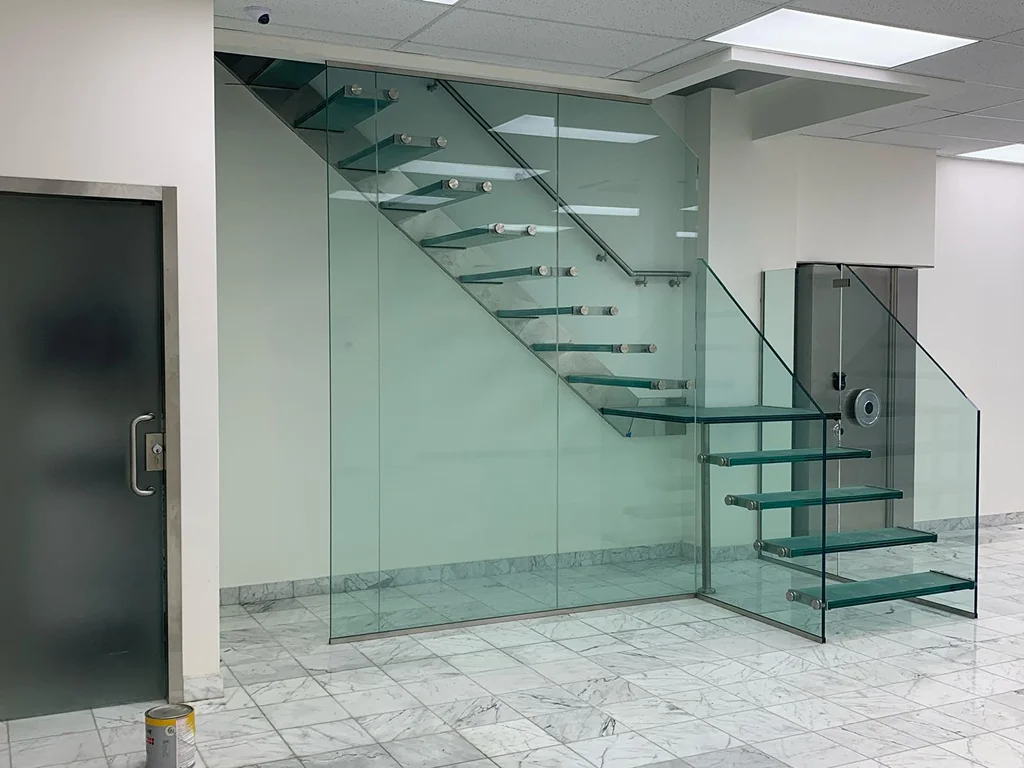
Searching for ideas for a modern glass floor in NYC? Take a look at our latest projects and get inspired today!
FAQ
How thick does the glass need to be?
Usually 1 to 2 inches total for residential. Engineering determines what works for your specific loads and spans – there’s no universal answer.
Can it handle furniture?
Yeah, when engineered properly. We design for whatever loads you specify.
Isn't glass flooring slippery?
Clear polished glass can be. That’s why textured or frosted surfaces exist – they improve traction considerably.
How do you clean it?
Standard glass cleaners work. Use soft cloths, avoid abrasive stuff that scratches.
Order Laminated Glass Floor Panels for Your Project in New York
Planning something that needs a laminated glass floor? We’ll need details about the application – where it goes, what loads it handles, and required dimensions.
Working with an architect or structural engineer? We coordinate with them on specs and engineering requirements. Laminated glass for the flooring needs proper calculations, and we’re set up to work within that process.