
What Is Tempered Glass? Full Guide with Pros, Cons & Uses
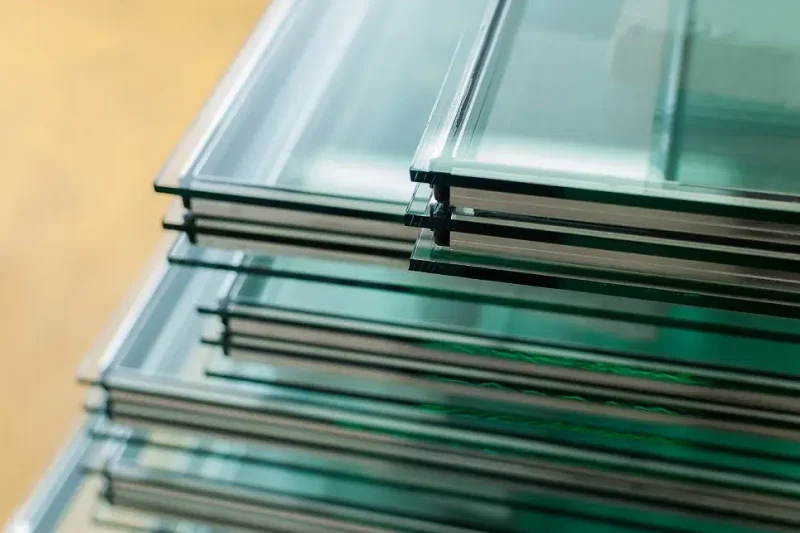
What is tempered glass, and why is it used in everything from building facades to phone displays? This safety glass is treated in a certain manner to make it stronger and safer than ordinary glass.
We’ll talk about how it’s manufactured, its main advantages, where you can get it, and some possible downsides to think about in this post. Whether you’re remodeling your house, designing a business space, or just curious, you’ll find out lots of interesting features about this wonderful material.
What Is Tempered Glass and How It’s Made
A simple tempered glass definition is that it is a stronger kind of ordinary glass that can handle more impact and fluctuations in temperature. Regular annealed glass may break into sharp, lethal shards, while tempered glass breaks into little, dull pieces that are considerably less likely to hurt someone. This makes it perfect for places where safety is important, such as doors, partitions, facades, automobile windows, and shower enclosures. The key to its endurance is a special manufacturing process that modifies the glass’s interior structure, which makes it more resistant to impacts and creates internal stress.
Step-by-step: The Tempering Process
The first step in tempering is to cut a sheet of ordinary annealed glass to the right size and form. The glass is taken to a tempering furnace after the edges have been polished and the surface has been cleaned. There, it is heated to temperatures around 1100 °F. Once the glass has attained the right temperature, high-pressure air jets are used to cool it down fast. The surface cools down faster than the layers below it, which generates compressive stress on the surface and tensile stress on the inside. How tough is tempered glass? The glass is 4 to 5 times stronger than untreated glass of the same thickness because of this inner balance.
Why It’s Stronger Than Regular Glass
When this type of glass is tempered, it creates stress on the inside, which makes it sturdy. The outside of the glass is under pressure, while the inside is under tension. This structure makes the glass stronger against outside pressures like wind, impact, and heat. The compressive outer layer helps keep fractures from spreading if the glass is scratched or broken. Regular annealed glass, on the other hand, doesn’t have this stress balance and may break quickly when the temperature or pressure changes. Also, when tempered glass does shatter, it breaks into little pieces that look like pebbles instead of sharp shards, which lowers the danger of harm. This is one of the main reasons why building regulations across the globe call it safety glass.
Tempered Glass vs Regular Glass: What’s the Difference?
The main difference is how strong and secure they are. When tempered glass is heated, it may become up to 5 times stronger than regular glass. When it cracks, it shatters into tiny fragments that aren’t as hazardous. Regular glass, on the other hand, breaks into pieces that can hurt people around. That’s why building rules generally say when tempered glass is required. This is usually doors, restrooms, facades, or anywhere else where people could hit it or it might become hot.
Is Tempered Glass Breakable? Facts vs Myths
Yes, tempered glass may still shatter, but it is considerably tougher and safer than regular glass. People often think that this material can’t break, however, it can if you hit it hard enough or with anything sharp. But it doesn’t shatter as glass does. Instead, it breaks into little, dull pieces, which makes it less likely to hurt someone. That’s why tempered glass is safety glass: it is made to shatter in a way that does almost no damage. It’s not unbreakable, but it’s a far better choice in places where strength and safety are important.
What Is Tempered Glass Used For?
Tempered glass is widely used in homes and businesses where safety, durability, and resistance to heat are important. Because it can tolerate stress well, it’s very useful in places with a lot of traffic or risk. So, how does tempered glass work? It is far better at absorbing impact and heat than conventional glass, and if it breaks, it breaks into safer pieces.
Here’s what tempered glass is used for most often:
- Shower doors and bathroom panels
- Glass doors and partitions
- Windows and facades
- Automotive side and rear windows
- Balcony and staircase railings
- Glass tabletops and shelving
- Phone screens and screen protectors
- Oven doors and kitchen appliances
Tempered glass gives you peace of mind in all of these situations since it is strong and breaks in a safe way. It’s also resistant to heat, which makes it a great option for regions that get a lot of sun, steam, or temperature swings. Tempered glass adds both safety and usefulness to the design, whether you’re decorating a house, setting up a business, or making a DIY project.
Do you want something special?
Contact us if you want to add more light to your home or business and are trying to find the most trustworthy glass manufacturers in your area
Get a free consultation
Advantages of Tempered Glass You Should Know
People pick tempered glass mostly because it is safe, but there are other reasons as well. Some of the main tempered glass benefits are that it is stronger, can withstand heat, and breaks in a cleaner way. It can also endure abrupt variations in temperature without shattering and is scratch-resistant. So, what does tempered glass mean in daily life? It is a strong material that doesn’t break under pressure, works well for contemporary buildings, and lowers the danger of damage if it does break, all while looking clean and polished.
What Are the Disadvantages of Tempered Glass?
Even while tempered glass is strong and safe, it isn’t perfect. Before you use it for your project, you should know about some of the major disadvantages of tempered glass.
Edge Weakness
The edges of tempered glass are still the most delicate element, even if the surface is strong. If the edge is hit hard enough, the whole panel might break right away.
Cannot Be Recut After Tempering
Such glass can’t be cut, drilled, or molded without shattering. Changes must be performed before tempering, since the structure within the material becomes established
Breaks into Many Small Pieces
One part of the tempered glass definition is that it doesn’t break into sharp pieces. Instead, it breaks into hundreds of little, rather round bits that are safer, but cleaning them up may still be messy and take a lot of time.
Tempered Glass vs Laminated Glass: Which One to Choose?
Both of them are safe, yet they are used for different reasons. What is tempered glass best for? It’s great for things that need to be strong and not get too hot, like shower doors or balcony railings. On the other hand, laminated glass stays together even when it breaks because of its special interlayer. That makes it a better alternative for areas where falling shards might be harmful, such as skylights, glass floors, or other places. The best choice depends on where and how you want to apply it.
How to Identify Tempered Glass: Simple Tricks
Not sure whether the glass panel is tempered? There are a few simple methods to find out. Most manufacturers identify tempered glass with a little engraved stamp or emblem in the corner to show that it meets safety standards. Knowing how does tempered glass work also helps, so you can also use polarized sunglasses. When the light is right, tempered glass reveals unique patterns that you can’t see with a naked eye.
Is Tempered Glass Good for Safety and Security?
Tempered glass is used a lot in situations where safety and reasonable security are important, such as building entrances and public transportation. Is tempered glass shatterproof? Not completely. It may still shatter if it hits anything hard, especially if it’s a bullet. But what makes it different is how it responds when it breaks, which lowers the likelihood of major harm. Tempered glass is commonly used with laminated glass for extra protection in situations where additional security is required, such as when you want to keep burglars out.
Is Tempered Glass More Expensive?
Yes, tempered glass usually costs more than regular glass since it goes through additional processing. The final alterations, quality control, and safety testing all contribute to the cost. The extra strength and safety, on the other hand, frequently make the expense worth it. This isn’t the cheapest choice, but it’s a long-term investment in protection and performance.
Can You Recycle or Reuse Tempered Glass?
Because of the way it is made, tempered glass can’t be recycled like ordinary glass. It requires specific equipment to be processed. It’s also hard to reuse since it can’t be cut or molded once it’s been tempered. One of the lesser-known tempered glass benefits, however, is that it lasts a long time. It stays intact for years without needing replacement when used appropriately, making it an eco-friendly choice because it lasts longer, not because it can be recycled.
Where to Buy Quality Tempered Glass in the US
There are many good providers of tempered glass in the US, so it’s important to choose the correct one for your requirements. When safety and compliance are on the line, look for expertise, product certifications, and support you can trust.
We at Industrial Glass Laminating LLC are proud to be experts in high-performance glass solutions, such as tempered and laminated glass for homes, businesses, and buildings. We know what is tempered glass, and we’re dedicated to helping you choose the best solution for your project and making sure that the outcomes are safe and trustworthy from start to finish.
FAQ
Can You Cut Tempered Glass With a Laser?
Tempered glass is a form of safety glass that has been heated to make it stronger and less likely to shatter. It is designed to be stronger against impacts and temperature fluctuations than conventional glass.
Can tempered glass break on its own?
Yes, spontaneous shattering is unusual but can occur. It generally happens because of flaws within the material, damage to the edges, or sharp changes in temperature.
Is tempered glass safe for outdoor use?
Of course. Because it doesn’t break easily and remains consistent with the weather, tempered glass is often used in balconies, facades, and railings.
Can I cut tempered glass at home?
No, glass can’t be changed once it’s tempered. It will break right away if you try to alter it in any way.
Order Any Glass From Industrial Glass Laminating LLC
Industrial Glass Laminating LLC is the best New York glass company to discover perfect items. To satisfy every need and give first-rate service from start to finish, we provide a range of necessary possibilities and more! Contact us if you want to add more light to your home or business and are trying to find the most trustworthy glass manufacturers in your area.