
What Is Safety Glass? Types, Benefits, and Real-Life Uses
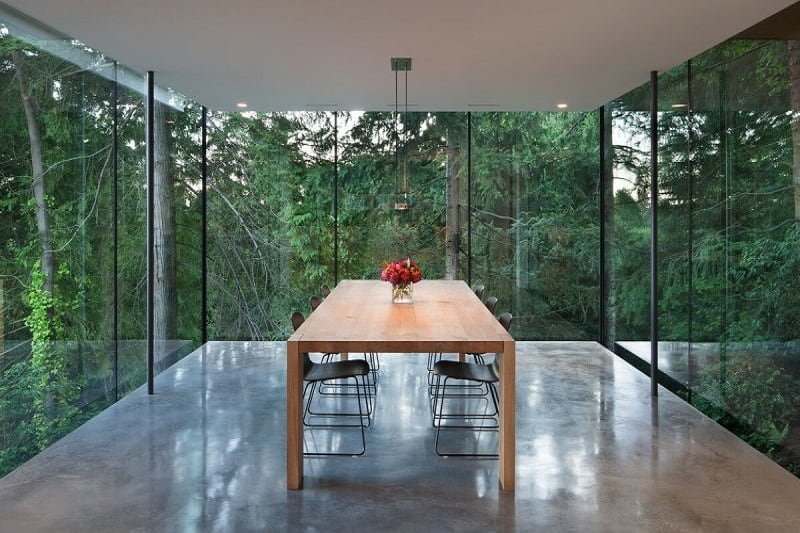
The purpose of safety glass is to protect people from harm in the event of breakage. It doesn’t break into hazardous fragments as ordinary glass does. Rather, it either remains intact or fragments into smaller, less dangerous parts. This makes it perfect for places where safety is most important, such as windows, doors, cars, and buildings. Depending on the intended use, safety glass is available in a variety of forms, each with unique performance and protection characteristics.
What Is Safety Glass?
The safety glass definition means that it has been properly treated or coated to reduce the likelihood of damage in the event of breakage. It is more robust, long-lasting, and designed to satisfy safety regulations for both home and business use. This type of glass is commonly found in vehicles, buildings, and public areas where safety is a top priority.
How Safety Glass Differs from Standard Glass
The structure and behavior under impact are the primary differences. The sharp, massive fragments of standard glass can inflict severe harm. In contrast, safety glass is held together by an interlayer that is either heat-treated or bonded. This technique makes it stronger, more resistant to force, and safer to shatter. The end result is a solution that not only keeps people safe but also makes contemporary buildings last longer and block out sound.
Types of Safety Glass
There are several types of safety glass, each designed to fulfill a specific function. Some concentrate on protecting against severe heat and pressure, while others concentrate on impact resistance or shatter control. Whether the glass will be used for home windows, skyscraper facades, or armored vehicles, the type to use will depend on the application.
Tempered Glass
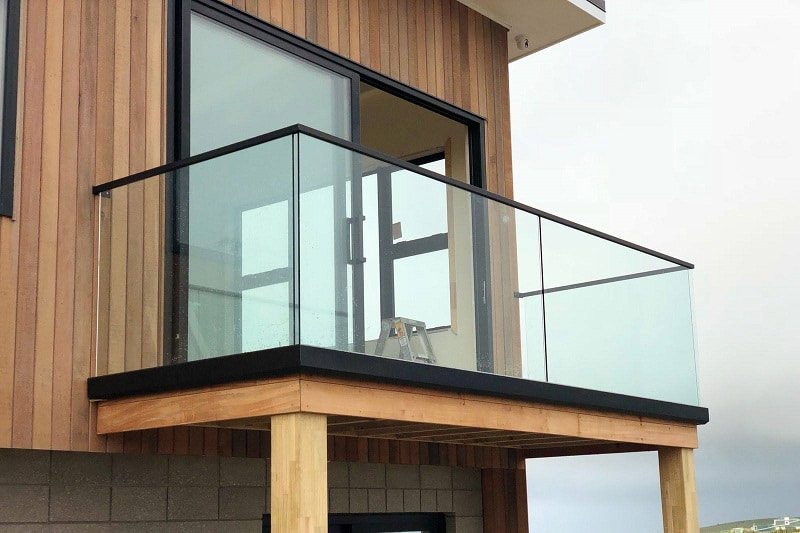
This is one of the most popular types of safety glass. It is created by quickly cooling ordinary glass after it has been heated to high temperatures, increasing its strength by up to five times. Instead of breaking into sharp shards, it breaks into tiny, blunt bits. This characteristic makes it perfect for shower doors, automobile side windows, and contemporary building facades.
Laminated Glass
It is made up of two or more glass layers joined by a plastic sheet, often polyvinyl butyral (PVB). The interlayer stops the fractured pieces from breaking apart when they are impacted. Superior sound insulation, UV protection, and strong penetration resistance are all features of this kind of safety glass. Skylights, storefronts, and windshields all utilize it extensively.
Wired Glass
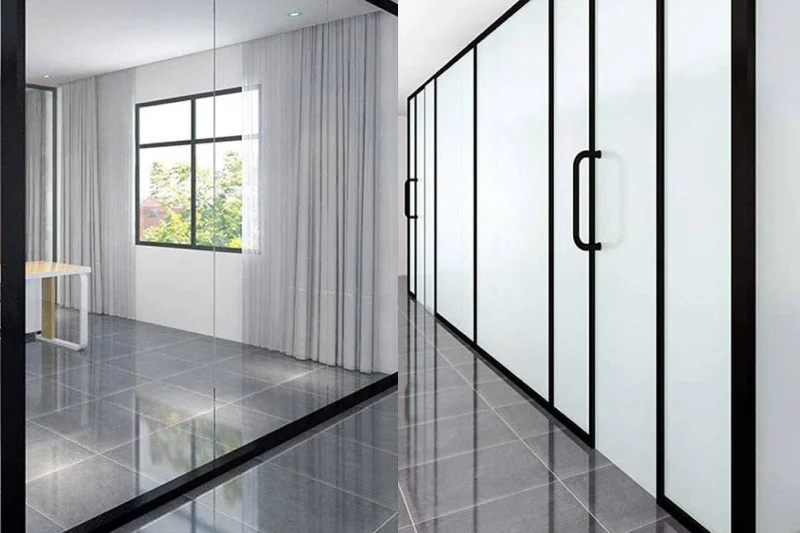
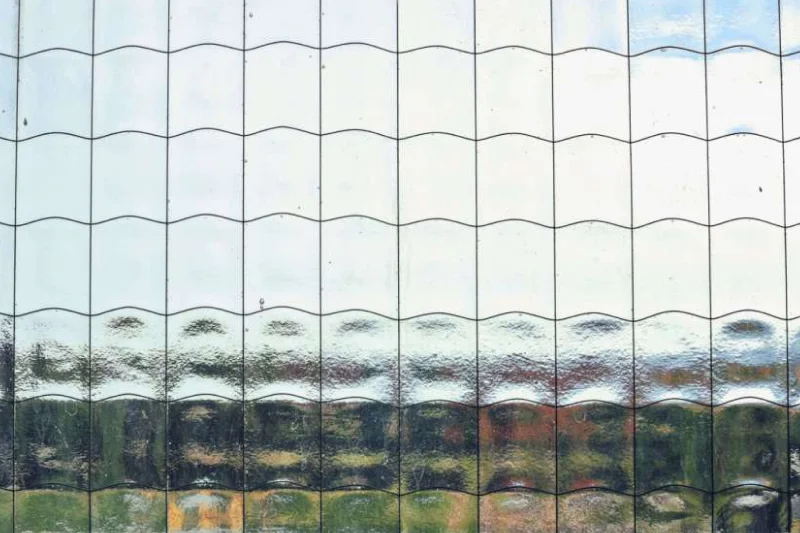
A metal mesh is incorporated into the glass during the production process of this type. The wire keeps the pieces in place even if it breaks, lowering the possibility of harm. Because of its heat and fire resistance, it is a common material for stairwells, fire doors, and industrial structures. It provides dependable protection in areas that are prone to fire, but is not as impact-resistant as tempered or laminated glass.
Toughened Glass
This one is like tempered glass, but it goes through a stronger heating and cooling cycle, which makes it even stronger. It won’t crack even when it is hit hard, under a lot of strain, or when it becomes hot. Toughened glass is widely used in architectural designs, glass railings, and walls in busy places where both safety and style are vital since it is strong and durable.

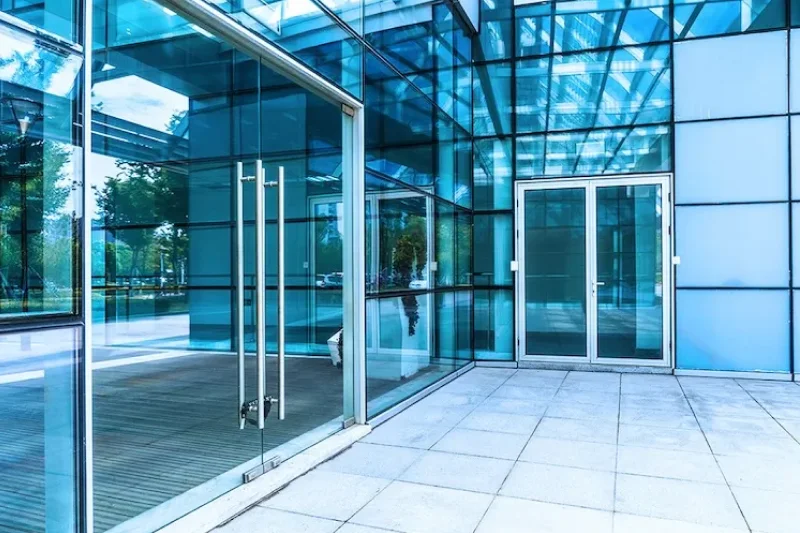
Bullet-Resistant and Specialized Glass
These kinds are made to provide the highest level of safety. They use multiple layers of laminated glass and polycarbonate to absorb and dissipate energy from impacts, such as gunshots or explosions. Banks, the military or security vehicles, etc., all employ this high-tech glass. Some variants also have additional features that make them more suitable for high-security applications, including the ability to withstand blasts or restrict access to specific users.
How Safety Glass Is Made
If you want to know what is safety glass made of, it’s helpful to know that it starts out as conventional glass and then gets unique treatments to make it stronger and safer. Most of the time, the glass is heated to extremely high temperatures and then immediately cooled to make it tough or tempered.
Two or more glass sheets are linked together with a transparent plastic interlayer, which is commonly constructed of PVB (polyvinyl butyral) or EVA (ethylene-vinyl acetate). This makes laminated safety glass. They are pushed together and heated so that they stick together securely. The glass remains adhered to the plastic layer even when it breaks, rather than breaking into pieces.
Other forms, such as wired glass, have a thin metal mesh put between the layers of glass as they are made. The purpose of each procedure is the same: to make the glass stronger, safer, and more dependable for daily usage.
Benefits of Safety Glass
According to the safety glass definition, it is a material that is made to be strong and work well in daily situations while also protecting people. The primary purpose of safety glass is to protect people and objects, but it also offers several additional benefits. Safety glass makes homes, cars, and buildings more comfortable, more secure, and energy-efficient, which adds significant value.
Injury Prevention
One of the best aspects of safety glass is that it significantly reduces the likelihood of injury. When regular glass breaks, it creates sharp, hazardous pieces. But safety glass is made to shatter safely, either into tiny, dull fragments (tempered glass) or to remain in one piece because of a bonding layer (laminated glass).
UV Protection
Laminated safety glass helps protect furniture, carpets, and artwork from the harmful effects of UV rays. The glass’s interlayer functions as a filter, blocking most UV rays without making it harder to see. This is particularly helpful for homes, businesses, and vehicles with large windows that receive a lot of sunlight. It helps keep colors within and makes fabrics last longer over time
Noise Reduction
Safety glass is also great at blocking out noise. The additional layers and interlayers function as a barrier that absorbs sound waves, making them less intense. People like laminated glass a lot in big cities or near roads because it keeps the inside quiet and pleasant. This is a simple modification that makes life better by creating a more serene interior.
Security Enhancement
Another great thing about safety glass is that it can’t be broken into or damaged. Breaking through laminated or hardened glass requires significantly more effort than breaking through regular glass. This gives people more time to get to the scene of an emergency. This is an important extra layer of security for business buildings like banks and shops. Some types, such as bullet-resistant or security glass, are even more effective because they protect against heavy objects or even gunfire.
Safety Glass in Everyday Life
You may not have thought about it, but safety glass is all around you. Large windows, balcony railings, and shower doors all employ it to make houses secure. For added robustness and peace of mind, safety glass is also a common element of mirrors, glass tables, and kitchen cabinets. Even store displays and automobile windshields depend on it on a daily basis, demonstrating that comfort and design can coexist with safety.
Common Misconceptions About Safety Glass
Despite the widespread usage of safety glass, many individuals are still unaware of its operation. Some people believe it is indestructible or exclusive to large structures, but the reality is more straightforward and useful. Understanding the following frequent misconceptions clarifies what is safety glass and what it can really do:
- Safety glass is unbreakable. This is not true; while safety glass is designed to shatter safely, it may still do so. It is helpful to know that safety glass is not entirely impenetrable; rather, its purpose is to lower the danger of damage.
- It’s too costly for ordinary homes. It’s a long-term investment, even if it costs more than regular glass. Over time, it lowers noise, increases safety, and even aids in energy efficiency, which results in financial savings.
- It doesn’t look like regular glass. Safety glass really has the same appearance as ordinary glass. The way it is constructed and responds to impact or stress is what makes the difference.
- All safety glass is the same. There are multiple kinds with distinct qualities, including wired, laminated, and tempered glass. The place of installation and the required degree of protection determine which option is best.
Maintenance and Care for Safety Glass
Although safety glass requires little maintenance, regular washing and examination extend its lifespan. To prevent scratching the surface, use gentle cloths and mild soap instead of strong chemicals. Look for chips or cracks on the borders and frames, particularly around windows and doors. If any damage emerges, it’s preferable to replace the panel – even slight faults may weaken the glass over time.
Do you want something special?
Contact us if you want to add more light to your home or business and are trying to find the most trustworthy glass manufacturers in your area
Get a free consultation
Choosing the Right Safety Glass for Your Needs
Consider the location and degree of protection you need when choosing safety glass. For instance, laminated glass is preferable for windows or places that are subjected to impact, but tempered glass is better for doors and walls. Knowing what does safety glass do can help you choose the best kind, whether it’s for improved security, safety, or noise reduction. It is always essential to seek advice from specialists, such as the Industrial Glass Laminating LLC team, to ensure your selection meets all safety and quality requirements.
Bring Safety Glass Into Your Space With Confidence
Anyone who appreciates comfort, security, and contemporary style would consider choosing safety glass. It adds comfort to homes and workplaces without compromising design. You can rely on Industrial Glass Laminating LLC to provide premium safety glass that looks fantastic and performs even better by fusing durability with a faultless polish.
FAQ
What is laminated safety glass?
This kind of safety glass is created by joining two or more glass layers together with a plastic layer that keeps the fragments together in the event of a break.
What is safety glass used for?
Safety glass is used to increase security, lower noise levels, and prevent injuries in homes, vehicles, workplaces, and public areas.
How strong is safety glass?
Considering the type, it may resist extremes in temperature or impact and be up to 5 times stronger than ordinary glass.
Can safety glass break?
Yes; however, in order to reduce damage, it is made to shatter safely, either into tiny, blunt bits or to stay affixed to an interlayer.
Order Any Glass From Industrial Glass Laminating LLC
Industrial Glass Laminating LLC is the best New York glass company to discover perfect items. To satisfy every need and give first-rate service from start to finish, we provide a range of necessary possibilities and more! Contact us if you want to add more light to your home or business and are trying to find the most trustworthy glass manufacturers in your area.