
Tempered Glass vs Regular Glass: Strength, Safety & Cost Compared
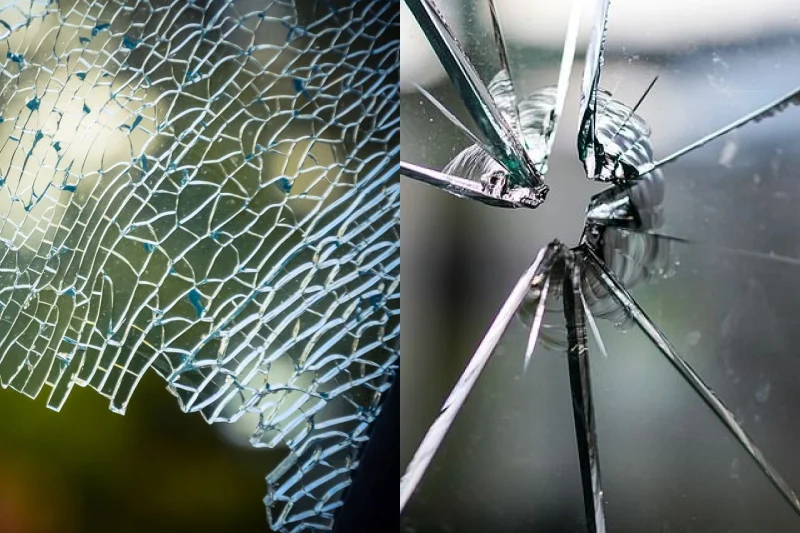
Understanding the difference between tempered glass and regular glass can save you money, prevent injuries, and help you make smarter decisions for your home or business. While they might look identical, these two types of glass are worlds apart when it comes to strength, safety, and performance. Regular glass works fine for basic applications, but tempered glass offers superior durability and shatter-resistant properties. This guide breaks down everything you need to know.
Tempered Glass vs Regular Glass: A Clear Comparison
So you’re wondering — what’s the deal with tempered glass vs regular glass? They look the same, but the differences matter. A lot.
What Is Tempered Glass?
Think of tempered options as regular ones that got seriously tough. It starts as standard material but gets heated to around 1,200°F and rapidly cooled in what’s called quenching. This heat treatment makes it about four to five times stronger than the untreated version. But here’s the cool part: when it breaks, it shatters into tiny, harmless pebbles instead of dangerous shards. That’s why you’ll find it in car windows, shower doors, and smartphone screens.


What Is Regular Glass?
Regular options — sometimes called annealed or float versions — are the basic material made by melting sand, soda ash, and limestone, then cooling naturally. No fancy heat treatments. It works for picture frames, decorative pieces, and basic windows where safety isn’t a concern. The downside? When it breaks, it creates large, sharp pieces you don’t want to step on. That’s why building codes are strict about where you can use it.
How to Tell the Difference Between Glass and Tempered Glass
Ever wondered if that window is actually the safety kind? Here’s how to spot the difference between tempered glass and regular glass.
Visual Inspection Tips
Grab polarized sunglasses and look for rainbow patterns or shadowy lines. Those are stress marks from tempering — a dead giveaway. You might also notice slight distortions when light hits at certain angles. Regular material won’t show these patterns because it hasn’t been through that intense heating process.
Check the Edges and Surface Reflection
Tempered versions usually have smooth, polished edges because all cutting happens before heat treatment. Regular ones might have rougher edges. Also, tempered materials often show slight wavy distortions in reflections, while standard ones give clearer, more uniform reflections.
Label, Stamp, or Etching Marks
This is the easiest method. Look in the corners for a small etched mark or stamp — building codes require manufacturers to label safety products with their name and usually “tempered” or “T.” It’s etched into a corner. Spot that mark? You’ve got the safety kind.
How Tempered Glass Is Made
Want to know why tempered vs non tempered glass behaves so differently? It’s the manufacturing process.
It starts with regular sheets cut and shaped to exact specifications. This is crucial because once tempering begins, you can’t modify it anymore. After shaping, it goes into a tempering oven heated to around 1,200°F.
Then comes the magic: rapid cooling or quenching. High-pressure air blasts hit both surfaces at once, cooling the outside faster than the inside. This creates tension — the outer surface compresses and hardens, while the core remains flexible. This tension gives incredible strength and makes it shatter into tiny pieces instead of dangerous shards.
Strength and Durability Comparison
Let’s talk toughness — when comparing normal glass vs tempered glass, strength is where things get interesting.
Tempered options are four to five times stronger than regular ones. In real life? They handle way more impact and stress before breaking. A baseball hitting a regular window? Game over. The same baseball hitting tempered? It might bounce right off.
But here’s the catch — while the surface is strong, the edges are the weak spot. A hard knock to the edge can cause shattering (though into safe pieces). For everyday wear and tear, tempered material wins. It handles temperature swings better, resists scratches more effectively, and lasts longer in high-stress environments.
Safety Aspects — Why Tempered Glass Is Safer
Here’s where tempered glass vs regular glass becomes a no-brainer for safety.
When regular material breaks, it creates large, sharp shards that cause serious injuries. Tempered options? Totally different. Thanks to internal tension from tempering, when they break, they explode into thousands of tiny, blunt pieces roughly the size of rock salt. They’re way less likely to cause serious cuts.
This safety feature is why building codes require tempered options in specific areas like bathroom windows, shower enclosures, doors, and any surface near the floor. If you’ve got kids or pets, the safety factor alone makes it worth the extra cost.
Thermal Resistance and Temperature Tolerance
Temperature swings can be brutal, but is tempered glass stronger than regular glass when it comes to heat? Absolutely.
Tempered options withstand temperature differences of up to 470°F without cracking, while regular ones struggle with differences of 100-150°F. This is why you’ll see tempered glass in oven doors, fireplace screens, and other areas that get hot.
Think about a cold winter morning when the sun suddenly hits a window — that rapid change can crack regular material (thermal shock). Tempered versions just shrug it off. They’re also better suited to extreme-weather areas with dramatic temperature fluctuations.
Can Regular Glass Be Tempered?
Short answer: yes! Long answer: it depends.
Any standard annealed material can technically be tempered, but there are catches. First, all cutting, drilling, polishing, and edge work must be done BEFORE tempering. Once it goes through heat treatment, you can’t modify it without shattering.
Second, the material needs to be in good condition. Any existing chips or cracks will cause problems during tempering. And third, there’s a minimum thickness requirement — usually around 3/16 of an inch.
If you’re upgrading existing windows, you’d need to replace them entirely with new tempered sheets rather than retrofitting what’s there.
Is Tempered Glass Better Than Regular Glass?
Here’s the million-dollar question about tempered glass compared to regular glass: is one better?
It depends on your needs. For safety-critical areas, high-traffic zones, or anywhere impacts are likely? Tempered wins, no contest. It’s stronger, safer when broken, and handles temperature changes better. But “better” isn’t always the answer for every situation.
Regular options are fine for low-risk areas like picture frames, decorative cabinet doors, or high windows out of harm’s way. They’re easier to cut, cheaper to replace, and sometimes overkill isn’t necessary.
The real answer? Choose tempered anywhere safety matters — bathrooms, doors, near stairs, low windows, and anywhere kids play. Go with regular material for decorative purposes or low-risk situations where budget is a bigger concern.
Do you want something special?
Contact us if you want to add more light to your home or business and are trying to find the most trustworthy glass manufacturers in your area
Get a free consultation
Cost Comparison: Tempered vs Regular Glass
The comparison of tempered vs non tempered glass comes with a price difference.
Tempered options typically cost 25-50% more than regular ones. That’s noticeable, but consider what you’re getting — four times the strength, better safety, and longer lifespan.
The manufacturing process is more complex and time-consuming, driving up prices. Plus, since you can’t modify it after tempering, there’s less room for error.
But here’s the thing — many insurance companies offer discounts for homes with safety materials in key areas. When you factor in potential injuries or replacements from broken standard pieces, that upfront investment looks reasonable. Plus, building codes sometimes require tempered options in certain locations, so it’s not always optional.
Applications of Tempered Glass vs Regular Glass
Different jobs need different tools, and that applies to normal glass vs tempered glass, too.
Tempered is perfect for: shower doors and enclosures, patio doors, sliding doors, bathroom windows, skylights, storefronts, car windows, tabletops, shelving units, balcony railings, and anywhere near stairs or high-traffic areas. If there’s a chance of impact or injury from broken pieces, go tempered.
Regular glass works great for picture frames, decorative cabinet inserts, windows in second stories or higher, mirrors in low-risk areas, greenhouse panels sometimes, and artistic installations where safety isn’t a concern. It’s easier to work with for custom projects needing precise cutting or drilling.
The rule of thumb? When in doubt, go tempered. Building codes are clear about when it’s required, but even when not mandatory, the extra safety is often worth it.
Why Homeowners Prefer Tempered Glass Today
There’s a reason tempered glass vs regular glass isn’t even a debate for most modern homeowners.
Safety consciousness is much higher now. People understand the risks and want to protect families. With kids running around, pets zooming through, or everyday accidents, the peace of mind from knowing your windows break safely is huge.
Modern design trends also favor larger panels and floor-to-ceiling installations, which basically require the strength and safety of tempered materials. Plus, with extreme weather becoming more common, thermal resistance is increasingly important.
Once building codes started requiring it in certain areas, people realized how much better it performs. Now, many homeowners choose it even where it’s not needed, simply because they’ve seen the benefits firsthand.
Which Glass Type Fits You Best?
Still weighing tempered glass compared to regular glass for your project? Here’s how to decide.
Go with tempered if: you’re installing in bathrooms, near doors, around stairs, in kids’ areas, for patio furniture, or anywhere safety is a concern. Also, choose it if you live in areas with extreme temperature swings or severe weather.
Stick with regular if you’re doing decorative projects, high-up windows out of reach, picture frames, or situations that need on-site custom cutting. Also consider it if the budget is tight and the application is genuinely low-risk.
Still not sure? When safety is even remotely a concern, go tempered. It’s one of those things where the extra cost is worth it for peace of mind alone. And remember — some applications legally require tempered materials, so always check your local building codes before making a final decision.
FAQ
Can you break tempered glass?
Yes, but it takes more force than regular options. When it breaks, it shatters into small, blunt pieces instead of dangerous shards.
How can I tell if my window is tempered?
Look for an etched mark in the corner, check for distortion patterns with polarized lenses, or examine edges for smooth polishing.
Is tempered glass worth the extra cost?
For safety-critical areas, absolutely. The injury prevention alone justifies the 25-50% price premium.
Does tempered glass scratch easily?
It’s more scratch-resistant than regular options but not scratch-proof. The surface is harder, making it more durable for everyday use.
Order Any Glass From Industrial Glass Laminating LLC
Industrial Glass Laminating LLC is the best New York glass company to discover perfect items. To satisfy every need and give first-rate service from start to finish, we provide a range of necessary possibilities and more! Contact us if you want to add more light to your home or business and are trying to find the most trustworthy glass manufacturers in your area.