
How Is Tempered Glass Made? Inside the Glass Hardening Process
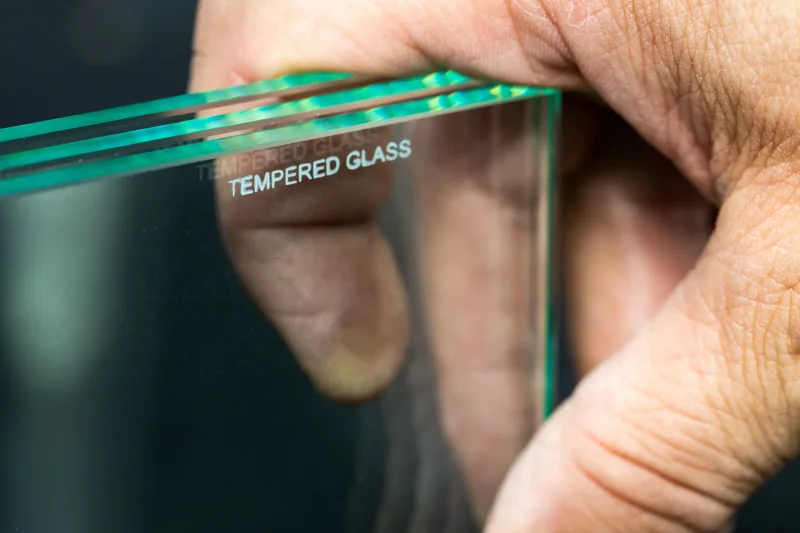
We see tempered glass everywhere, from windows and phones to automobiles and kitchen appliances. But what makes it even stronger and safer? We need to look at how is tempered glass made to understand that. The process employs a lot of heat and then rapid cooling, which affects how the glass reacts to pressure. We’ll go over each stage of the tempering process and talk about why this sort of glass works so differently from conventional type.
What Is Tempered Glass and Why It’s Special
Tempered glass is a kind of glass that has been heat-treated to make it stronger against stress, impact, and temperature changes. Not only is it more robust, but it also acts differently when it’s under strain, which makes it safer and more durable.
During tempered glass manufacturing, it goes through a change that makes it stronger without affecting its appearance. This is why it is a popular option for projects that need both safety and a clean, contemporary design, such as building facades and home interiors
How Is Tempered Glass Made Step by Step?
The tempered glass process has a number of precisely regulated steps that turn regular glass into its stronger variety. Let’s take a closer look at this tempered glass manufacturing magic!
Heating the Glass to Extreme Temperatures
The first step is to put cut and cleaned sheets of glass into a tempering furnace. They are slowly heated until they reach around 600–700°C, which is close to the point when they start to soften. This step gets the it ready to cool down quickly without breaking or distorting.
Rapid Cooling – The Key to Tempering
Then starts the process called quenching, which means putting the glass in front of intense air jets immediately after heating. This fast cooling binds compressive tension on the outside and tensile stress on the inside, which gives tempered glass its strength and resistance to breakage.
Edge Finishing and Polishing
The edges of the glass are smoothed and polished before tempering. This prevents weak spots that might shatter during the tempered glass process or during use. For safety and the long life of the product, the edges must be clean and polished.
What Raw Materials Are Used for Tempered Glass?
To understand how is tempered glass made, it helps to know what goes into it from the start. Like most glass, it begins with a simple mix of natural minerals — but the exact formula affects clarity, durability, and performance. So, what is tempered glass made of? Let’s break it down!
Silica Sand, Soda Ash, and Lime
These are the main parts of any tempered glass material. The basis is silica sand, soda ash helps the combination melt at lower temperatures, and lime keeps the finished product stable. They work together to make a transparent, usable glass sheet that is ready to be tempered.
Additives for Strength and Clarity
You may add small amounts of metal oxides or other chemicals, depending on the need. These make the glass clearer, more resistant to UV rays, or better at handling heat, which helps customize it for diverse uses without making it less durable.
What Makes Tempered Glass So Strong?
The key feature of tempered glass is how the surface and interior layers are “locked” into tension. The outer layers shrink more quickly than the inner core when the glass is cooled promptly during the tempering process. This puts compressive stress on the surface and tensile pressure within, which makes the glass very strong against bending, impact, and thermal shock. It doesn’t break instantly when it is hit or when the temperature changes.
Is Tempered Glass Heat Resistant or Not?
Yes, tempered glass can withstand high temperatures, which is one of its best features. The glass tempering process involves exposing the glass to very high temperatures and then rapidly cooling it. This makes it considerably better able to handle thermal stress than regular glass. It can usually endure temperature swings of up to 250 to 300°C without breaking. That’s why it is utilized in regions that get a lot of sun, or oven doors and fireplace screens.
Tempered vs Annealed Glass: What’s the Difference in Production?
Heat treatment is the main difference. When glass is annealed, it is gently cooled after being formed. This makes it weak and easy to shatter. In contrast, the glass tempering process involves heating to very high temperatures and then cooling down very quickly. This locks in internal tensions and makes it stronger. There is also a necessary tempered glass marking that shows it meets safety regulations. Because of these variances, tempered glass is preferable for extreme circumstances, whereas annealed is excellent for low-risk, decorative applications.
Can You Make Tempered Glass at Home?
Some people want to know how to make tempered glass at home, but the reality is that it’s not easy to do. In fact, that’s impossible. It needs industrial furnaces, regulated heating to 600–700°C, and strong systems for cooling the air. It’s not feasible to make tempered glass that is as safe and strong as it should be without this particular equipment.
Do you want something special?
Contact us if you want to add more light to your home or business and are trying to find the most trustworthy glass manufacturers in your area
Get a free consultation
Quality Control in Tempered Glass Manufacturing
Every step of making tempered glass requires strict quality control, from checking the raw materials to inspecting the finished surface. Each panel is examined for its clarity, the quality of its edges, and the balance of its internal tension. Putting a tempered glass marking is one of the last procedures. This shows that the product satisfies safety requirements and has completed all the necessary testing. This certification doesn’t simply mean that the glass meets standards; it also indicates that it is safe, dependable, and long-lasting.
How Long Does It Take to Make Tempered Glass?
The actual tempering process is surprisingly short. Once the glass is in the furnace, it generally only takes a few minutes to heat and cool it. But tasks like cutting, polishing the edges, and cleaning take more time. Making one batch may take anywhere from 30 minutes to a few hours, depending on the project’s size and complexity. If you’re wondering how do you temper glass, it’s not just about heat — it’s about precision, timing, and the right equipment.
How Manufacturers Test the Strength of Tempered Glass
As part of the tempered glass manufacturing process, samples of tempered glass are examined for their ability to withstand impact, surface compression, and thermal stress. To make sure the glass matches safety requirements, it is usually put through break tests, fragment analysis, and optical examinations.
Where Is Tempered Glass Made?
It is made in specialized factories that have tempering furnaces, high-pressure air systems, and automated inspection instruments. They have to follow tight rules for temperature control, timing, and safety. Some facilities are part of big industrial complexes, while others are small, high-tech operations that only work with certain sectors, like electronics or architecture.
No matter how big or small the facility is, the most important thing is that it follows approved tempered glass production requirements to make sure the quality and performance are always on top. At Industrial Glass Laminating LLC, we follow these rules: we use cutting-edge technology and ensure quality is checked at every step of production.
FAQ
How to make tempered glass?
To make tempered glass, you heat regular glass to more than 600°C and then cool it quickly using high-pressure air. This puts tension on the inside of the sheet, which makes it strong and safe.
How do you temper glass in a factory setting?
Industrial furnaces are used to manage heat, timing, and airflow very carefully throughout the tempering process. You can’t accomplish it by hand or at home; you need specific tools.
Can any type of glass be tempered?
Not every kind of glass can be tempered. It is safe only if it has been cut, cleaned, and prepared correctly ahead of time.
Is tempered glass always labeled?
Yes, most of the time. To make sure that the product satisfies industry requirements, safety rules generally require a permanent tempered glass marking.
Order Any Glass From Industrial Glass Laminating LLC
Industrial Glass Laminating LLC is the best New York glass company to discover perfect items. To satisfy every need and give first-rate service from start to finish, we provide a range of necessary possibilities and more! Contact us if you want to add more light to your home or business and are trying to find the most trustworthy glass manufacturers in your area.