
Laminated Glass Railing in New York
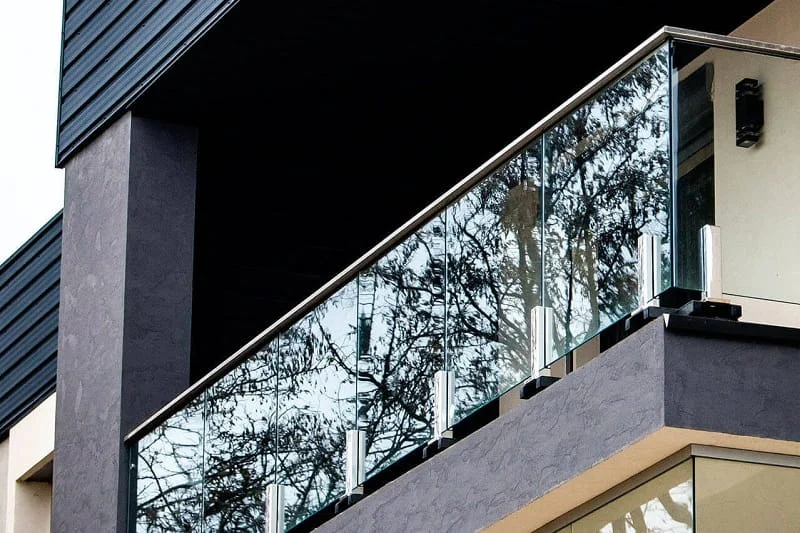
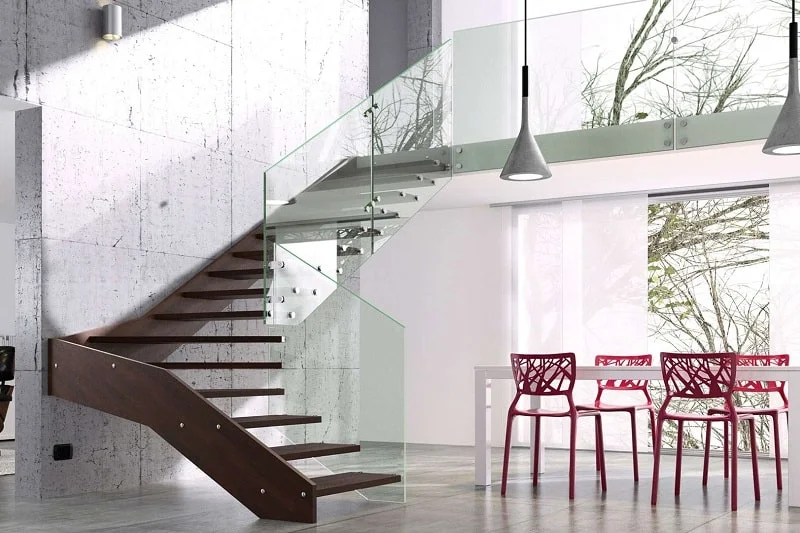
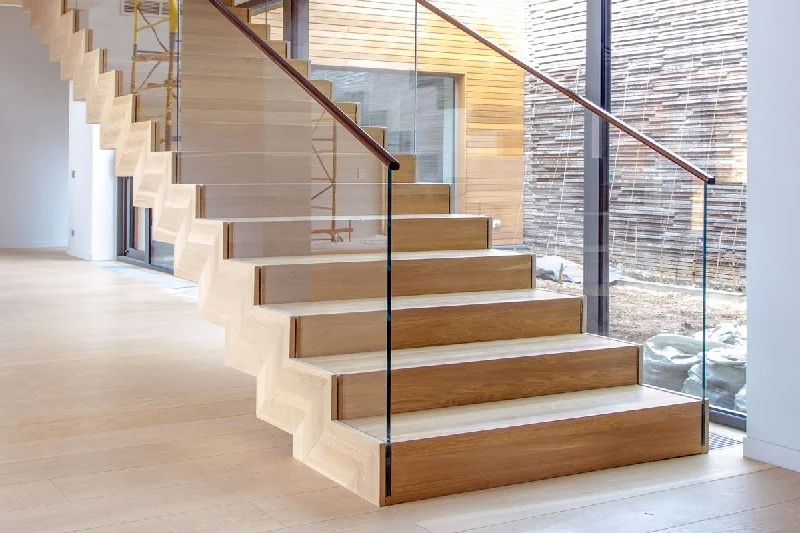
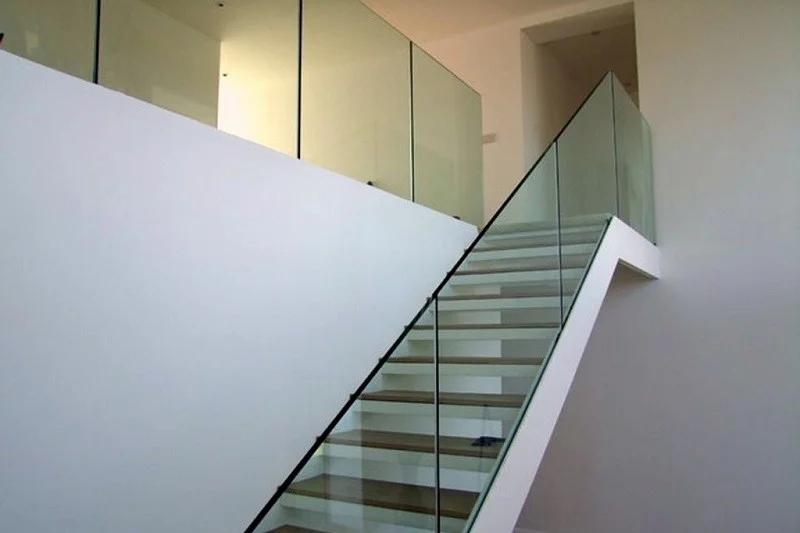
Laminated glass railing offers something regular glass railings can’t – real safety if the glass ever breaks. Instead of shattering into dangerous pieces or collapsing, laminated panels hold together even when cracked. For homes and businesses where railings protect people on stairs, decks, or balconies, the top characteristic matters more than you might think. We manufacture laminated glass panels specifically for railing applications where safety can’t be compromised.
What Is a Laminated Glass Railing?
So what exactly is it? Basically, you’ve got multiple glass layers stuck together with a tough plastic interlayer running between them. Picture a glass sandwich – glass sheet, plastic middle, another glass sheet, all pressed together with heat until they act like one solid piece.
This isn’t the same as regular tempered glass that you see in most glass railings. From far away they look pretty similar, sure. But the way they’re built inside makes a huge difference in what happens if something goes wrong.
The railing system itself includes the glass panels plus mounting hardware – posts, clamps, or channels that secure the glass to your deck, staircase, or balcony structure. Glass railing New York installations use various mounting styles depending on the application and desired aesthetic.
Why Laminated Glass Is Used for Railings
Safety codes drive the use of laminated glass in many railing applications. Building regulations recognize that railings are life-safety systems – they prevent falls from elevated surfaces. When those railings use glass, the glass needs to stay in place even if damaged.
Laminated construction ensures this. If something impacts the glass hard enough to crack it – a person falling against it, furniture hitting it, etc., – the panel stays intact. The glass fragments adhere to that interlayer instead of falling away. You still have a functional barrier protecting people from the edge, even with a cracked panel.
This matters particularly for glass for railing on elevated decks, stairs, or balconies. A tempered glass panel that shatters creates an immediate fall hazard. A cracked laminated panel, while needing replacement, maintains protection until you can safely remove and replace it.
In addition to meeting regulatory requirements, laminated glass has useful benefits. By blocking UV rays, the interlayer shields deck surfaces and furnishings from sun damage. It reduces noise more effectively than single-pane glass, which is important for balconies that front busy streets.
Where Laminated Glass Railing Makes the Most Sense
Laminated glass railing works for various applications, but certain locations benefit from its safety characteristics the most.
Decks
Outdoor deck railings face weather exposure, temperature swings, and people leaning on them while enjoying views. Laminated panels handle these conditions while providing unobstructed sightlines. The UV-blocking interlayer prevents sun damage to your deck boards and furniture below the railing level.
Balconies
Balcony railings on apartments or condos protect people in a shared environment where you can’t control how the railing gets used. Kids playing, people leaning over to talk to neighbors, furniture being moved – lots of opportunities for impacts. Glass railings Brooklyn for balconies often specify laminated construction specifically because of these safety considerations in multi-family buildings.
Stairs
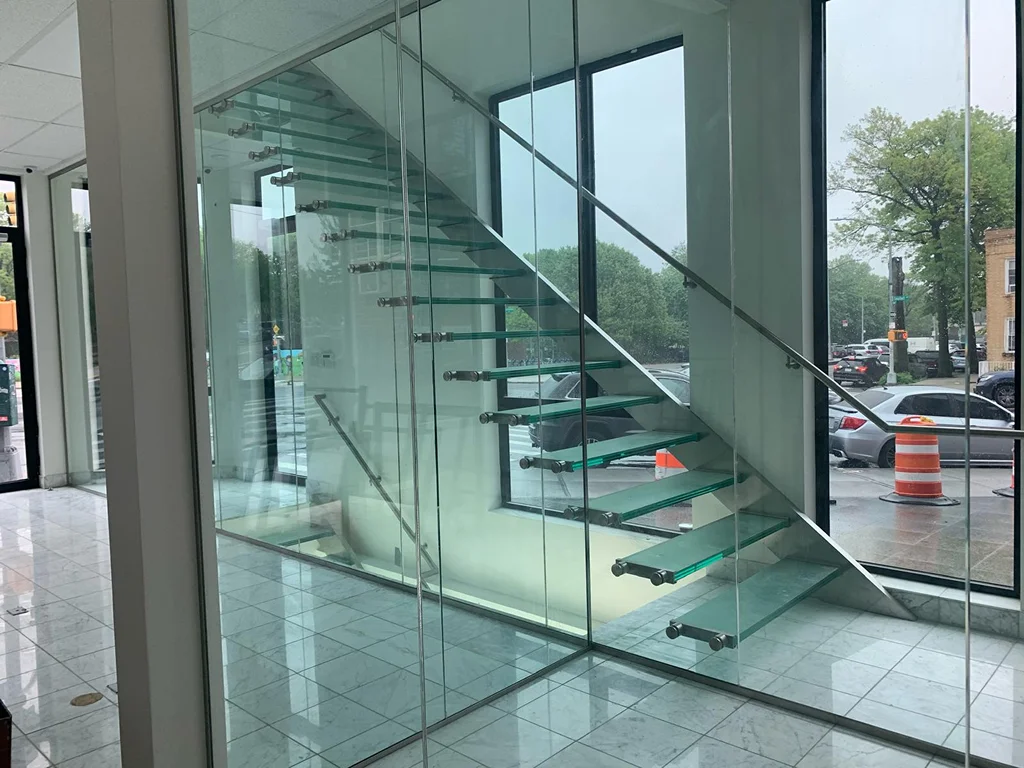
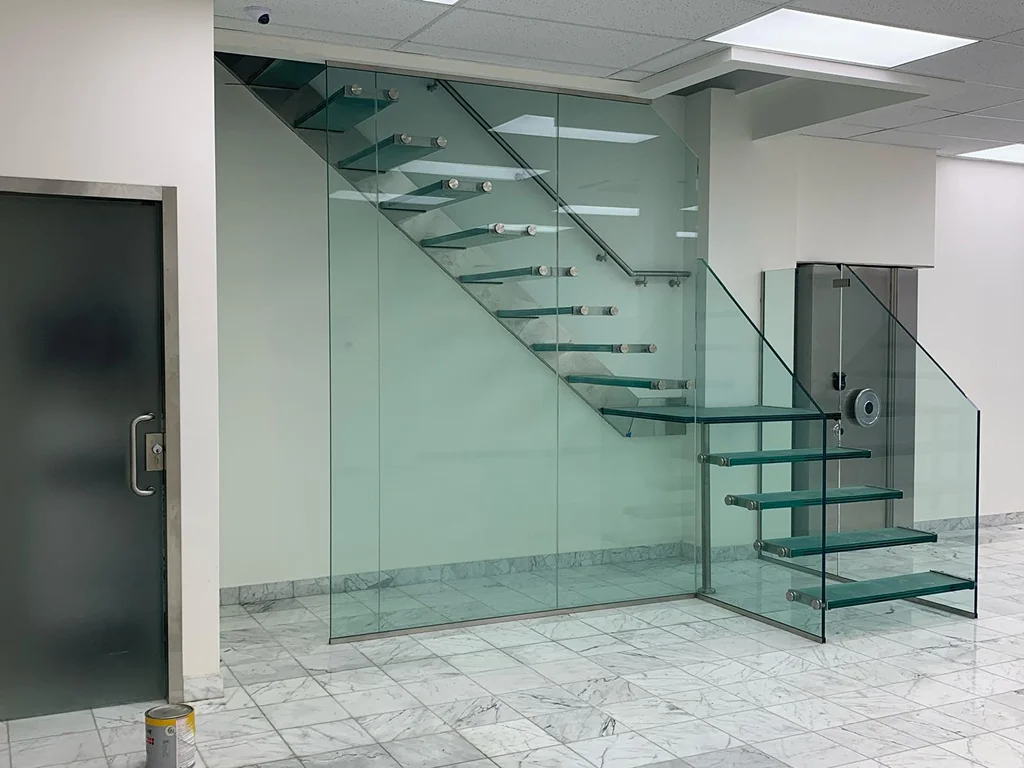
Staircase railings are particularly critical since people are already in motion and potentially off-balance. A railing failure on stairs creates immediate danger. Laminated glass ensures that even a damaged panel continues functioning as a protective barrier. The transparency keeps staircases feeling open rather than enclosed.
Roof Terraces
Rooftop installations face the most extreme conditions – maximum wind exposure, full sun, dramatic temperature swings, and often the highest fall risks. Laminated glass for railing on roof terraces needs to handle all of this while protecting people enjoying those valuable outdoor spaces.
Indoor vs Outdoor Applications
You can use laminated glass for railings inside, but outdoor installations definitely ask more from the material. Exterior laminated glass railing has to deal with rain, snow, temperature swings from summer heat to winter cold, constant UV impact – basically everything weather throws at it.
What about indoor glass panels, here temperature stays pretty consistent, no rain or snow hitting them, way less sun exposure. Because of this, interior specs can sometimes be a bit lighter. That said, the safety advantage of lamination – that hold-together property if it cracks – matters just as much inside as outside.
The mounting hardware differs more between indoor and outdoor than the glass itself does. Outdoor hardware needs to be corrosion-resistant – typically stainless steel or specially coated materials.
Do you want something special?
Contact us if you want to add more light to your home or business and are trying to find the most trustworthy glass manufacturers in your area
Get a free consultation
Glass Options You Can Order
Laminated glass railing manufacturing accommodates different glass types within the laminated construction.
Clear Laminated Glass Panels
Standard clear glass provides unobstructed views without adding color or distortion. Good for when you want maximum transparency and natural light transmission. Glass railing New York installations typically use clear glass since the whole point of glass railings is maintaining those views. The lamination interlayer itself is clear, so you’re looking through glass-interlayer-glass with minimal visual interference.
Low-Iron (Extra Clear) Laminated Glass
Regular glass has a greenish tint from iron impurities, noticeable when viewing edges or looking through the thickness. Low-iron glass eliminates this tint for true color neutrality. If you’re particular about color accuracy or have very light-colored surroundings you don’t want tinted, low-iron laminated glass maintains visual purity.
Tinted Laminated Glass for Glare Control
Tinted laminated glass reduces glare from sun or reflected light while maintaining transparency. Bronze, grey, or green tints are common options. Glass railings Brooklyn facing south or west sometimes use tinted glass to make outdoor spaces more comfortable during peak sun hours. Tinted glass also provides additional UV blocking beyond what the clear interlayer offers.
Frosted or Etched Laminated Glass for Privacy
Not every railing needs to be completely transparent. Frosted or etched laminated glass provides privacy while still allowing light transmission. Works well for balconies where neighboring buildings are close or for ground-level decks where you want screening from the street. You can do partial frosting too – maybe the lower portion for privacy with clear glass above for views.
Laminated vs Tempered Glass Railings – What's the Real Difference?
This comes up constantly, so let’s clarify. Tempered glass is heat-treated to be much stronger than regular glass. When it does break, it shatters into small pebble-like pieces rather than sharp shards – safer than standard glass.
Laminated glass can also be tempered, but the key difference is what happens when the glass breaks. Tempered glass fragments completely – you go from a solid panel to thousands of pebbles. There’s no barrier anymore. Laminated glass cracks but stays in place as a functional barrier because the interlayer holds everything together.
For railing applications where the glass is the primary fall protection, codes often require laminated construction because of this hold-together property. The glass needs to remain functional even when damaged. Commercial glass railings NYC are typically used for this reason – building inspectors want that extra safety margin in public spaces.
High-quality production of glass partitions since 2022
Since 1992, the owners of Industrial Glass Laminating LLC have been dedicated to being one of the best glass partition suppliers in NYC. With more than 30 years of expertise, their continuous commitment to quality has earned a respected reputation in the business. From 2022, we take pleasure in implementing their unique ideas, excellent workmanship, and customer-centric attitude, which ensures that every project reaches the highest levels of quality. Our reputation for dependability and quality service grows as we constantly offer exceptional solutions to commercial and residential clients, so you can easily buy glass partitions from us.
Custom Fabrication Capabilities
We create laminated glass railing panels according to your exact specifications. Although there are standard proportions, railings rarely function that way since each balcony, deck, and staircase has unique dimensions that must be taken into account.
Our fabrication setup handles whatever your project throws at us. Different heights, varying widths, custom thicknesses – all based on where you’re using the glass. Need notches cut for posts? Holes drilled for specific mounting hardware? Angled edges to follow a staircase? That’s all part of what we do.
Glass thickness usually falls between 1/4 inch and 1/2 inch per layer. How thick your laminated panel needs to be depends on the size and where it’s going. Building codes set the minimums based on your specific situation.
Price Factors – Is Laminated Glass Expensive?
Laminated glass railing runs more than basic tempered glass, no way around that. You’re paying for extra manufacturing steps, such as multiple glass layers, interlayer materials, autoclave processing.
That said, safety requirements often make the choice for you. A lot of places mandate laminated construction for railings, period. When code requires it, comparing prices becomes kind of pointless – you need compliant materials either way.
What Affects the Cost of Laminated Glass Panels
- Panel size. Larger panels need more material and are more complex to manufacture and ship.
- Glass thickness. Thicker laminated construction uses more material and takes more processing.
- Glass type. Standard clear costs less than low-iron ultra-clear. Tinted or frosted glass adds processing steps.
- Edge finishing. Standard polished edges are straightforward. Custom edge profiles or holes for mounting hardware add fabrication time.
- Quantity. Manufacturing one custom panel costs more per square foot than producing twenty identical panels.
How Laminated Glass Railing Panels Are Manufactured
As a laminated glass railing manufacturer, we begin by cutting glass sheets to the exact measurements you provide. To achieve the desired quality, edges are ground and polished. At this point, any mounting hardware notches or holes are cut or drilled.
The lamination process assembles glass layers with interlayer material between them, then uses heat and pressure in an autoclave to bond everything permanently. This creates panels where the layers behave as a single structural unit.
Quality control checks dimensions, edge quality, and lamination integrity. Each panel gets inspected to ensure it meets specifications and building code requirements.
About Industrial Glass Laminating LLC
Decades of Experience in Custom Glass Production
We’ve been manufacturing glass products in New York since 1992. That’s over 30 years of experience with custom glass work, understanding what building codes require, and figuring out how to manufacture panels that meet real-world installation needs.
High-Quality Manufacturing and Bespoke Service
Our laminated glass railing factory handles complete fabrication in-house. We’re not reselling someone else’s products – we’re actually making your laminated glass for railing panels ourselves. This means we can accommodate custom requirements and maintain quality control throughout manufacturing. We work with contractors, architects, building owners, and homeowners. Each project gets attention, whether you need a few panels for a residential deck or you’re outfitting a commercial building.
Our Latest Projects
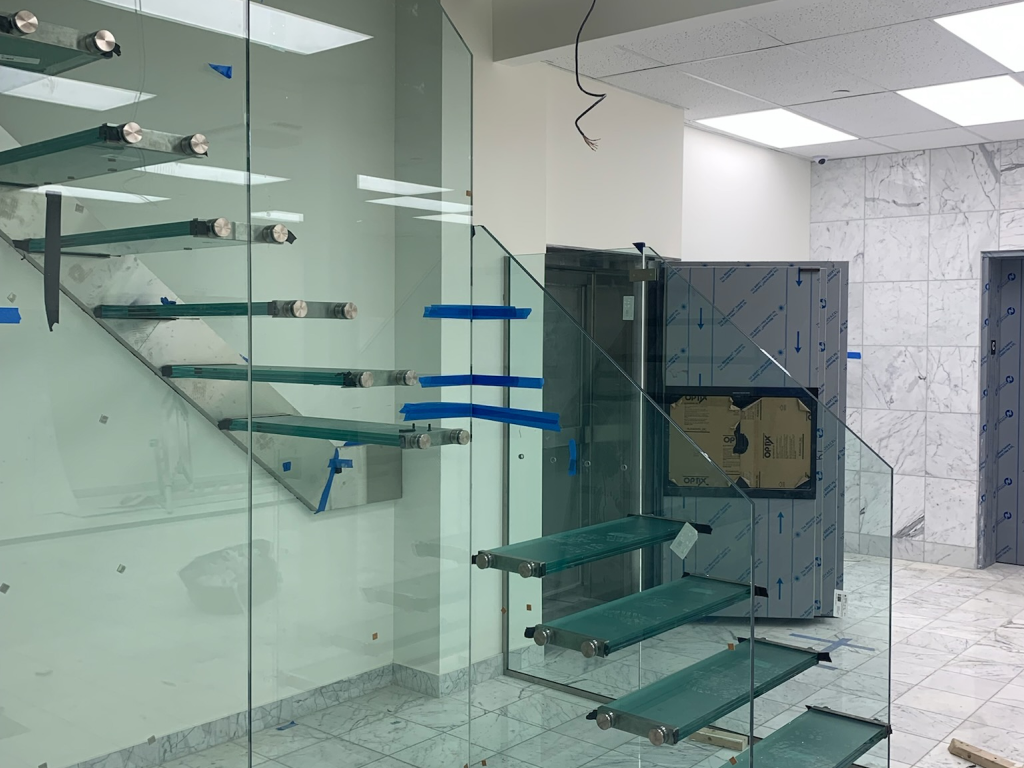
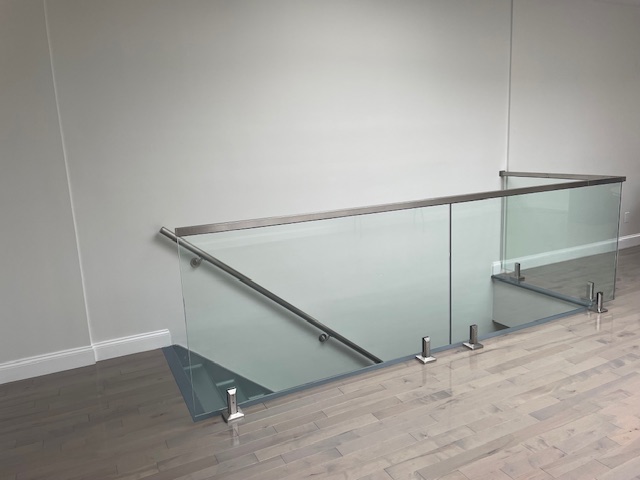
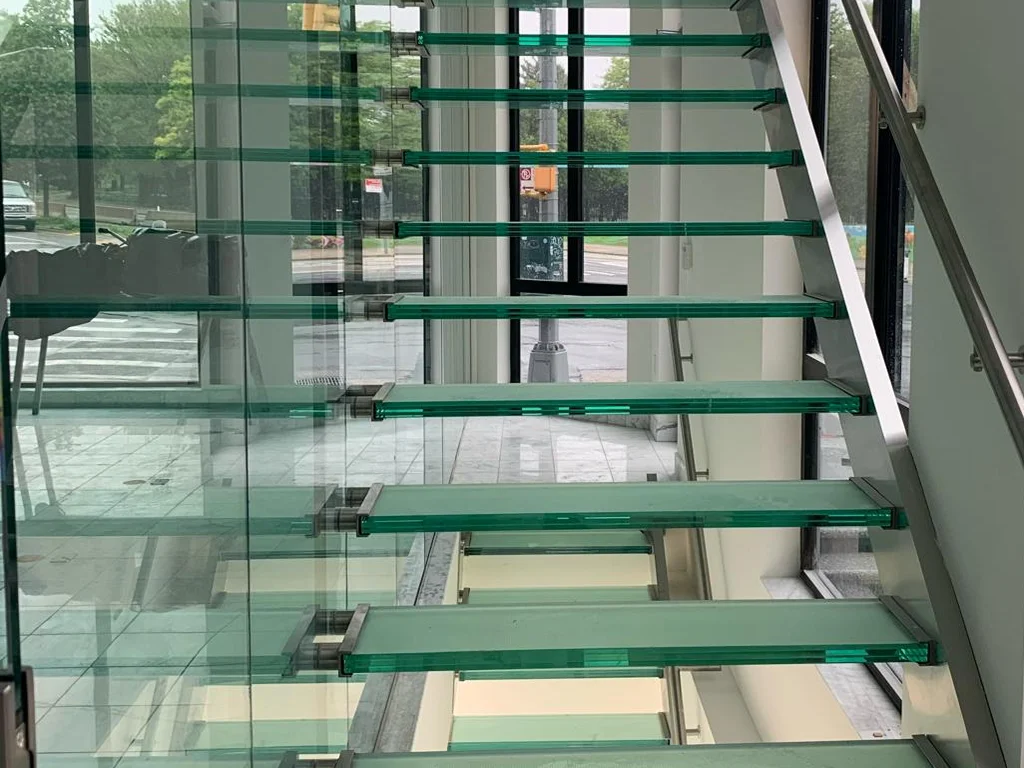
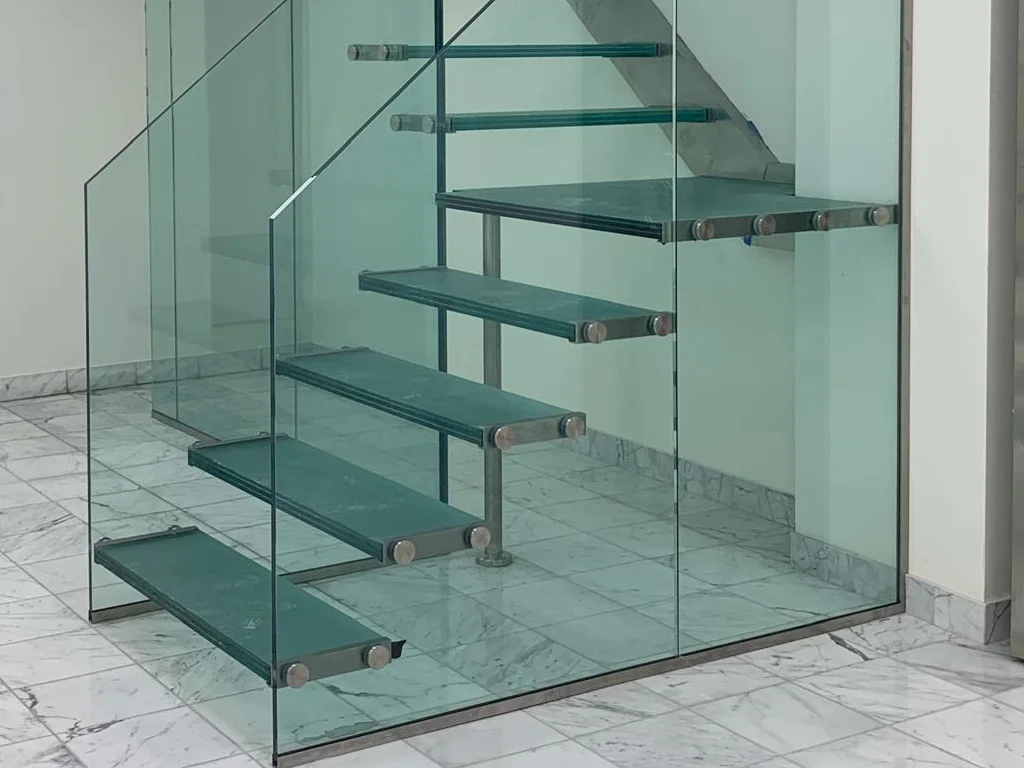
Check out the freshest designs of Industrial Glass Laminating LLC, a glass railing manufacturer #1 in New York, which were brought to life for our clients’ satisfaction.


FAQ
Is laminated glass required by code for railings?
Often yes, especially for exterior railings or elevated locations. Check your local building codes – many jurisdictions mandate laminated construction.
How thick does laminated railing glass need to be?
Depends on panel size and application. Typical range is 1/4 inch to 1/2 inch per layer. Building codes specify minimums based on your installation.
Can laminated glass be used outdoors?
Absolutely. Laminated glass handles outdoor conditions well – UV exposure, moisture, temperature swings. The interlayer protects against sun damage.
What happens if laminated railing glass breaks?
It cracks but stays in one piece, held together by the interlayer. You still have a functioning barrier until you can safely replace the damaged panel.
How to Order Your Laminated Glass Railing Panels
Ordering laminated glass railing requires a few key details. We’ll need some specifics from you. Panel dimensions (height and width), what thickness you’re thinking, edge finish preference, glass type (clear, low-iron, tinted, frosted) – whatever works for your project.
Get in touch with Industrial Glass Laminating LLC and tell us about your project. We’ll talk through what you need, nail down the specs, and give you pricing. As a laminated glass railing supplier, we make panels that meet code requirements while fitting whatever railing system and look you’re going for.